Inside Schönbrunn Palace
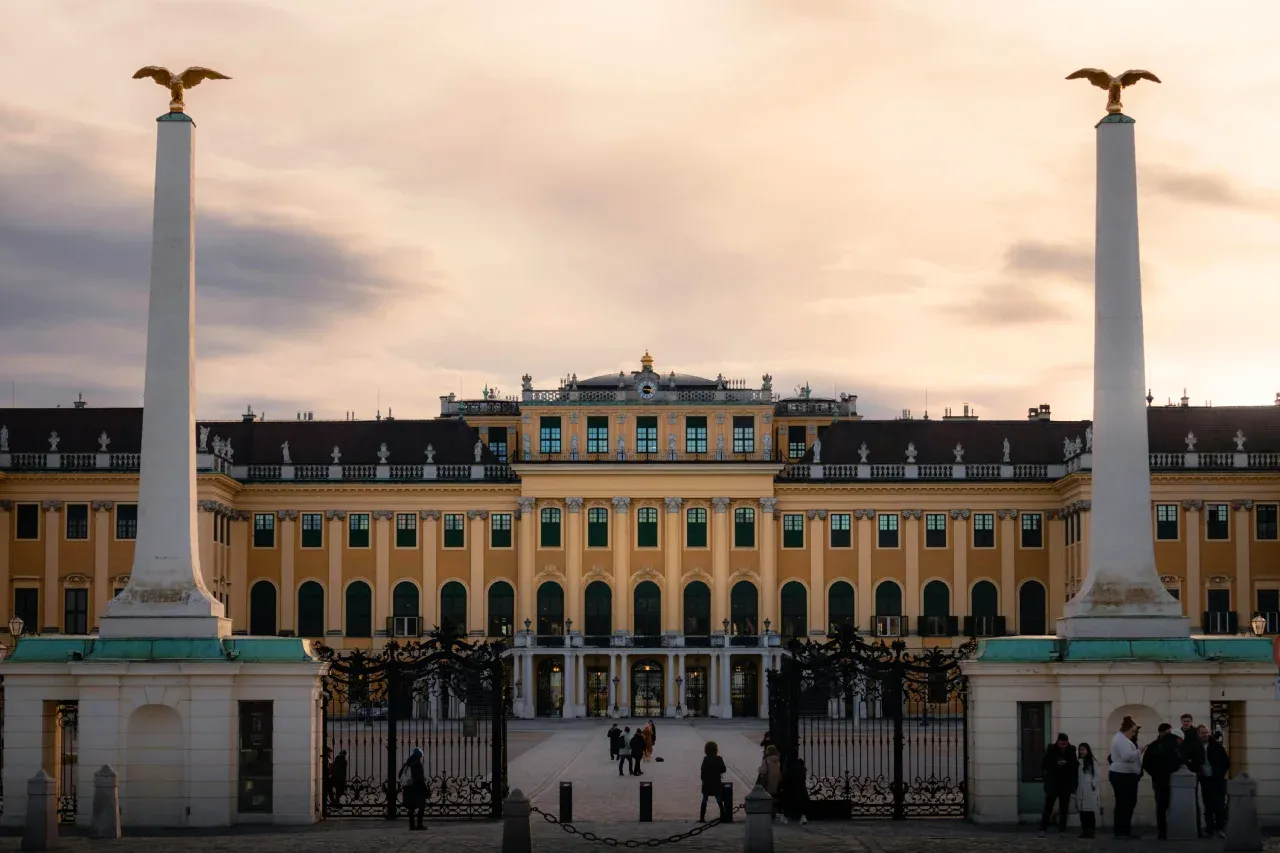
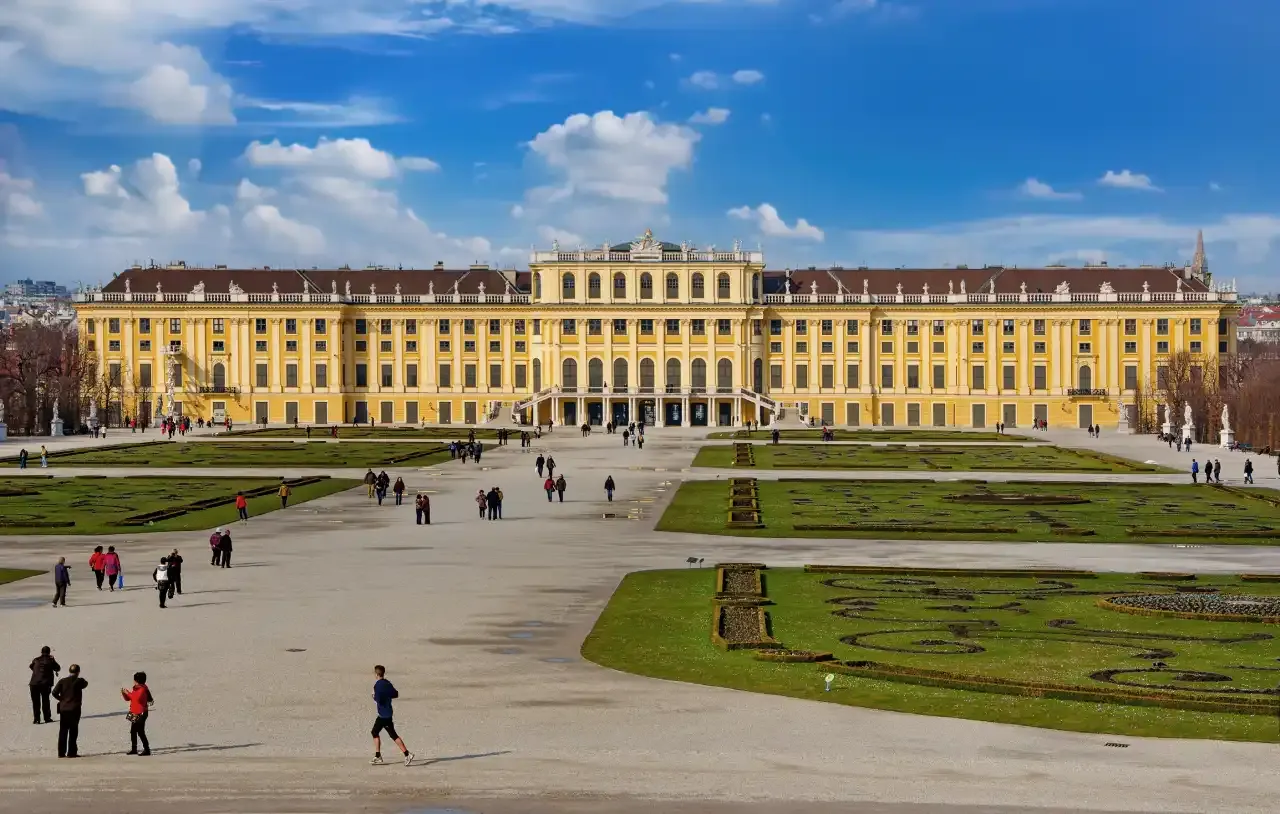
Step beyond the majestic yellow facade and discover the real soul of the Habsburg dynasty inside Schönbrunn Palace.
Things to see in Schönbrunn Palace
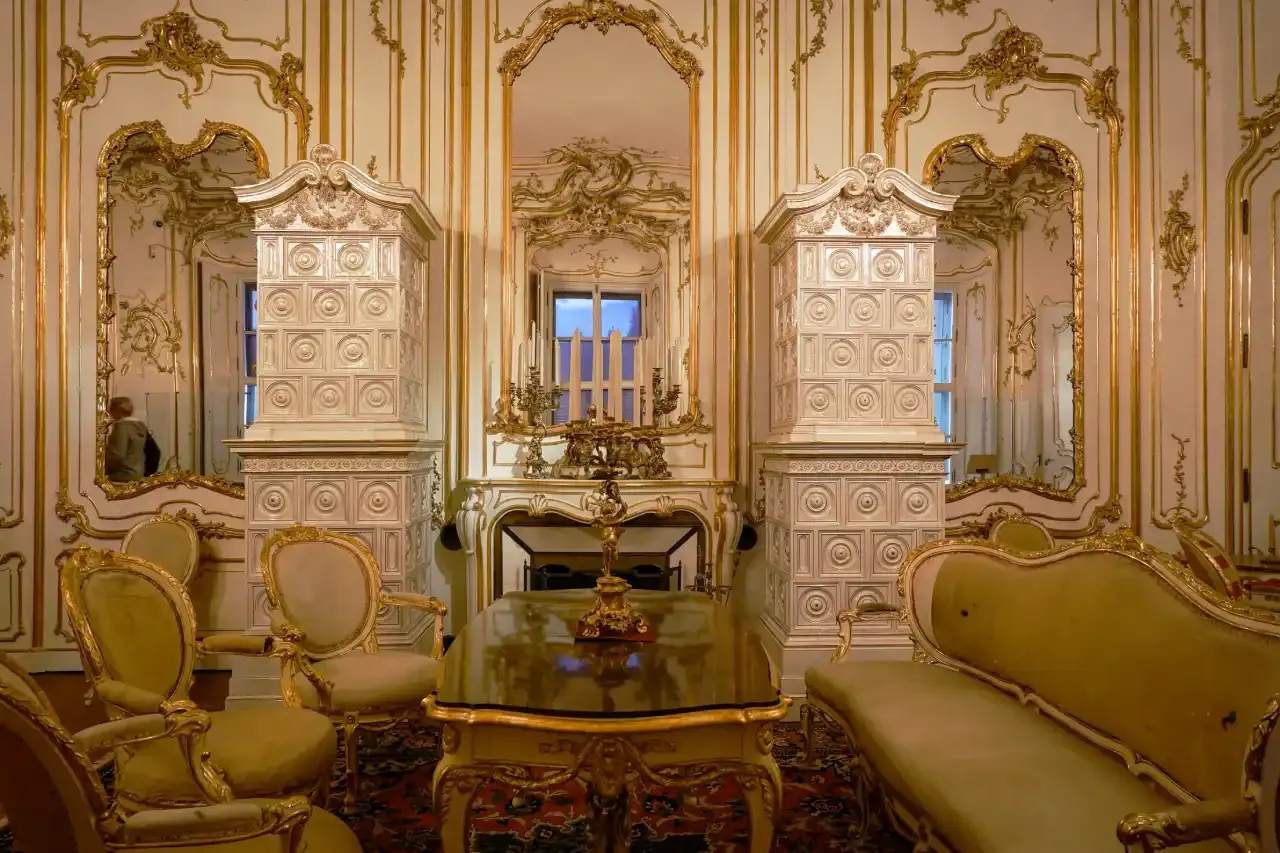
With your Schönbrunn admission ticket, you can’t see all 1,441 rooms, and honestly, you wouldn’t want to either. The palace opens around 40 to 45 carefully selected chambers to the public, and among these, five rooms stand out as absolute showstoppers. These aren’t just pretty spaces with fancy furniture. Each one tells a specific chapter of European history, from the artistic revolution of the 18th century to the tense moments of the Cold War.
What makes these five rooms essential? They represent the pinnacle of Rococo art, they witnessed world-changing events, and they reveal the intimate lives of the people who shaped an empire.
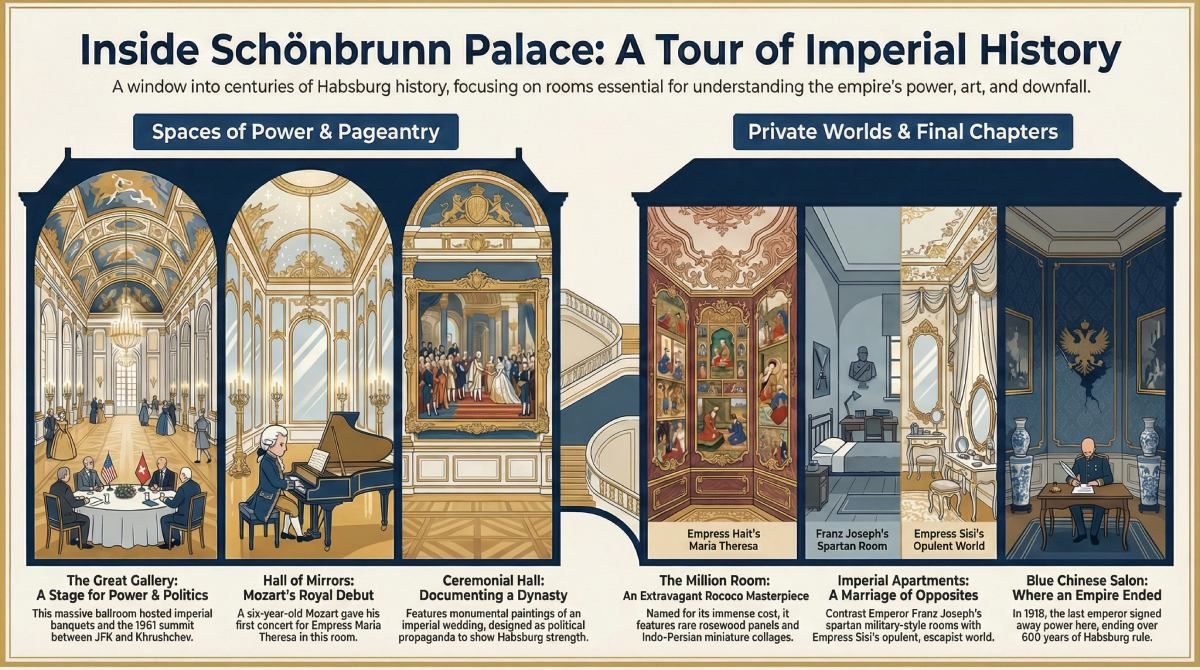
The Millions Room
If you only have time to fully appreciate one room in Schönbrunn, make it this one. The Millions Room is universally considered one of the most beautiful and extravagant Rococo rooms in the world, and its name tells you everything. The cost was so astronomical in the 18th century that it was simply called “the million,” as in, incalculable.
The walls are paneled with an extremely rare tropical wood called rosewood or “Feketin.” But the real magic happens within 60 gilded rocaille cartouches embedded in these panels. Inside each frame, you’ll find something unexpected: collages made from Indo-Persian miniatures depicting scenes from the Mughal Empire in India.
They were valuable miniatures that members of the imperial family personally cut up and reassembled into new compositions, like aristocratic scrapbooking. What seems like artistic vandalism today was considered refined appreciation in the 18th century.
The Great Gallery
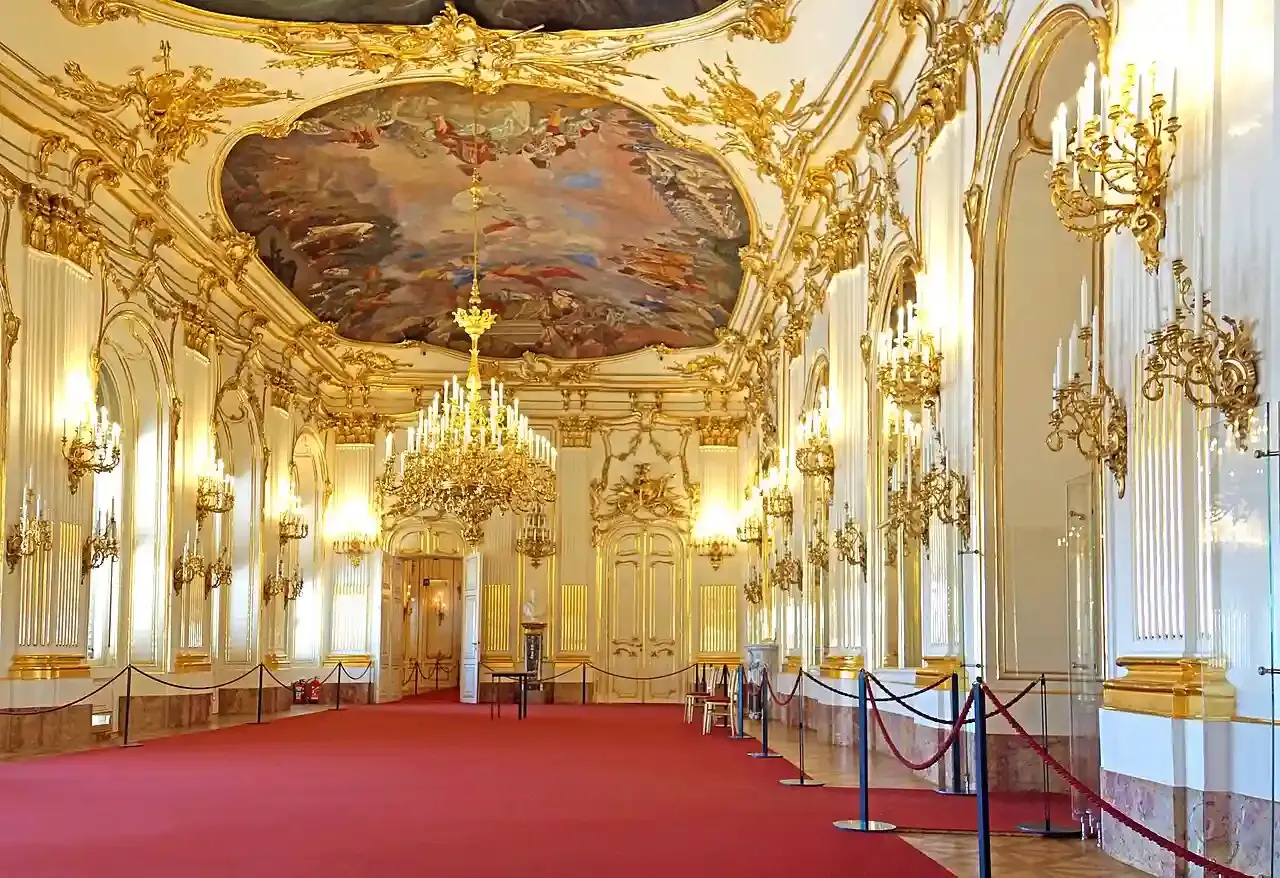
The Great Gallery
Picture a ballroom stretching over 43 meters long and nearly 10 meters wide. This is where the Habsburg court showed the world what power looked like. The Great Gallery was designed as the ultimate stage for imperial theater, hosting state banquets, diplomatic receptions, and those legendary Viennese balls that defined an era.
But what really captures your attention are the frescoes by Italian artist Gregorio Guglielmi. These aren’t just decorative paintings. They’re sophisticated propaganda, glorifying Empress Maria Theresa’s reign and reinforcing her legitimacy as ruler.
The room didn’t retire after the monarchy fell. During the Congress of Vienna in 1814-1815, European powers gathered here to redraw the continent’s borders after Napoleon’s defeat. And in one of history’s more surreal moments, this opulent Rococo masterpiece became the backdrop for a Cold War summit between JFK and Khrushchev in 1961.
Photo: "Austria - Great Gallery" by Dennis Jarvis.
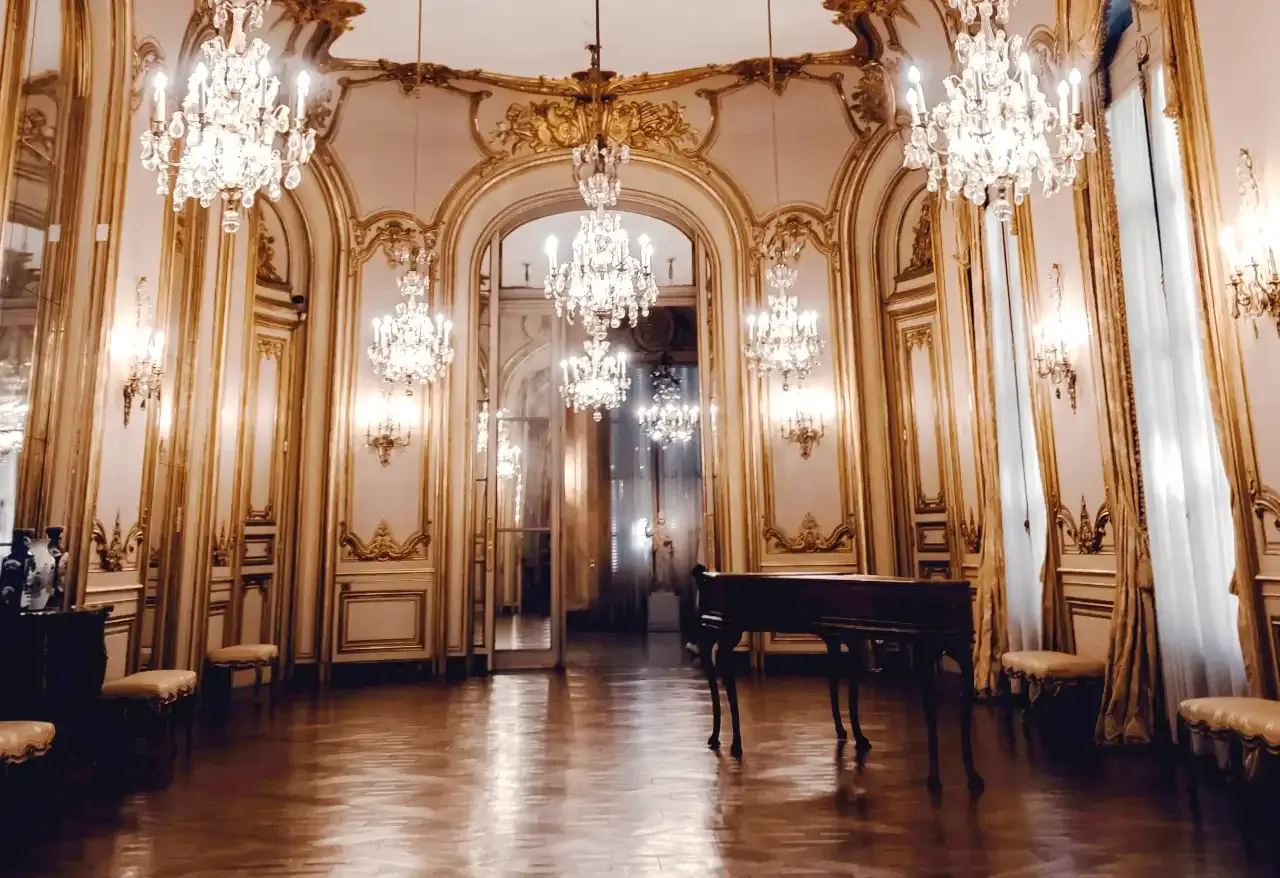
The Hall of Mirrors
This room earned its place in history because of 45 minutes in 1762. That’s when a six-year-old child prodigy named Wolfgang Amadeus Mozart gave his first concert before Empress Maria Theresa and her court.
After finishing his performance, little “Wolferl” didn’t bow politely and back away as protocol demanded. Instead, he jumped into the Empress’s lap, threw his arms around her, and kissed her enthusiastically. Maria Theresa, who ruled one of Europe’s most powerful empires, apparently found this delightful rather than scandalous.
Beyond this iconic moment, the Hall of Mirrors served as an audience chamber for special occasions.
Old Lacquer Room
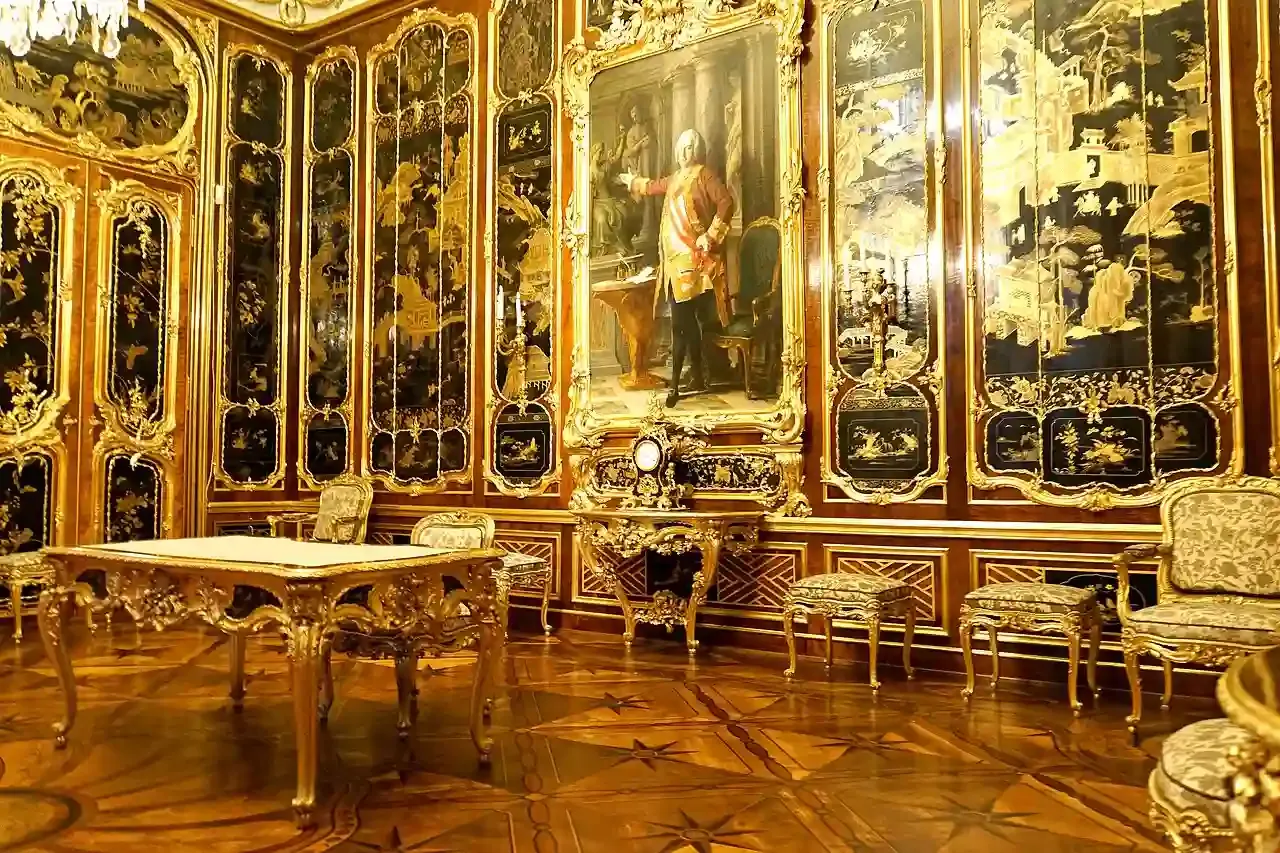
Old Lacquer Room
Few spaces in Europe concentrate as much personal and political history into one chamber. Originally the study of Emperor Francis Stephen, this room became something entirely different after his sudden death.
Empress Maria Theresa transformed it into a private memorial sanctuary for her beloved husband, installing precious black Chinese lacquer panels and surrounding herself with family portraits she personally commissioned.
Photo: "Austria" by Dennis Jarvis.
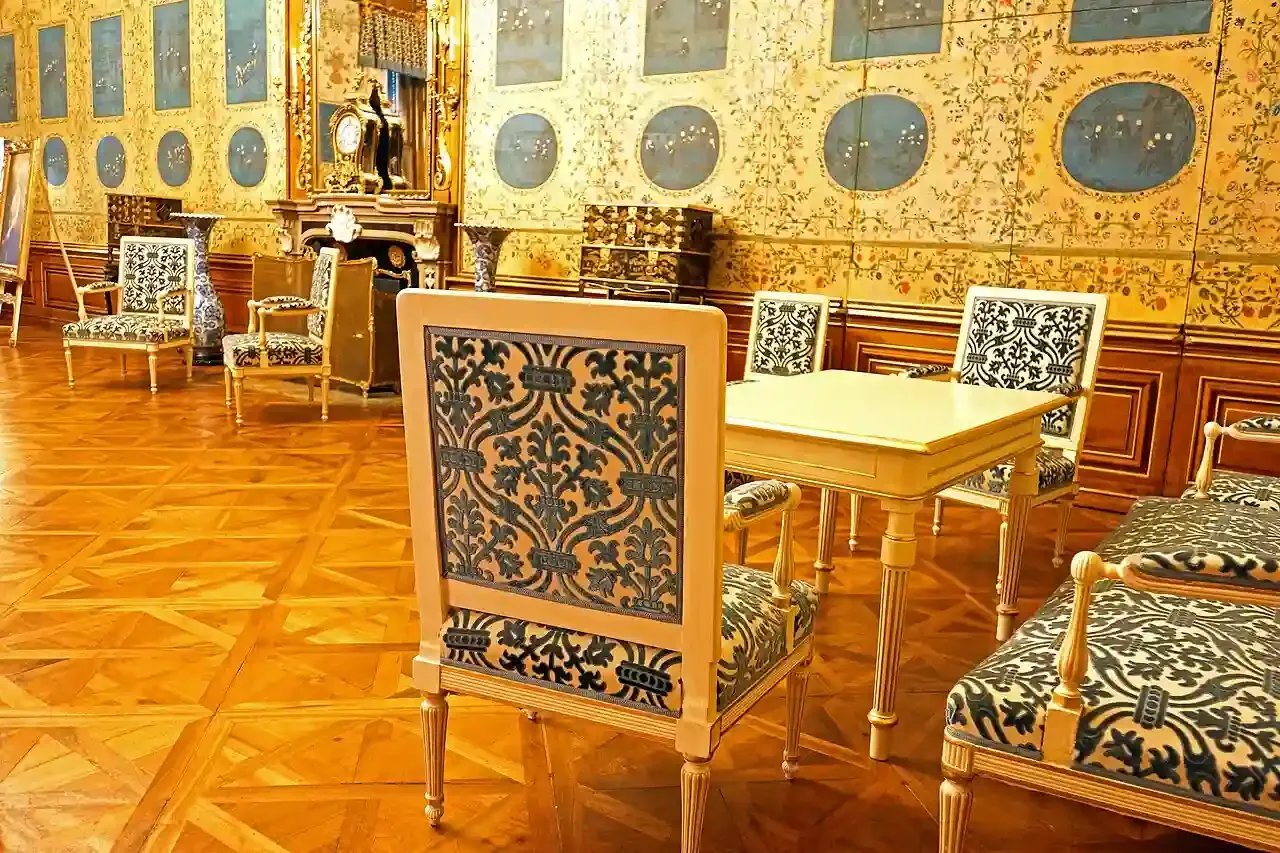
Blue Chinese Salon
If the Great Gallery represents the height of Habsburg power, this room represents its final chapter. The Blue Chinese Salon, decorated with Chinese wallpapers and chinoiserie elements, might be the most historically significant space in the entire palace for modern Austria.
On November 11, 1918, the last Emperor of Austria-Hungary, Charles I, sat in this room and signed his renunciation of participation in state affairs. That single act dissolved the monarchy and ended more than 600 years of uninterrupted Habsburg rule. The dynasty that had shaped European history for centuries ended not on a battlefield but in a blue-decorated salon.
Photo: "Austria - Blue Chinese Salon" by Dennis Jarvis.
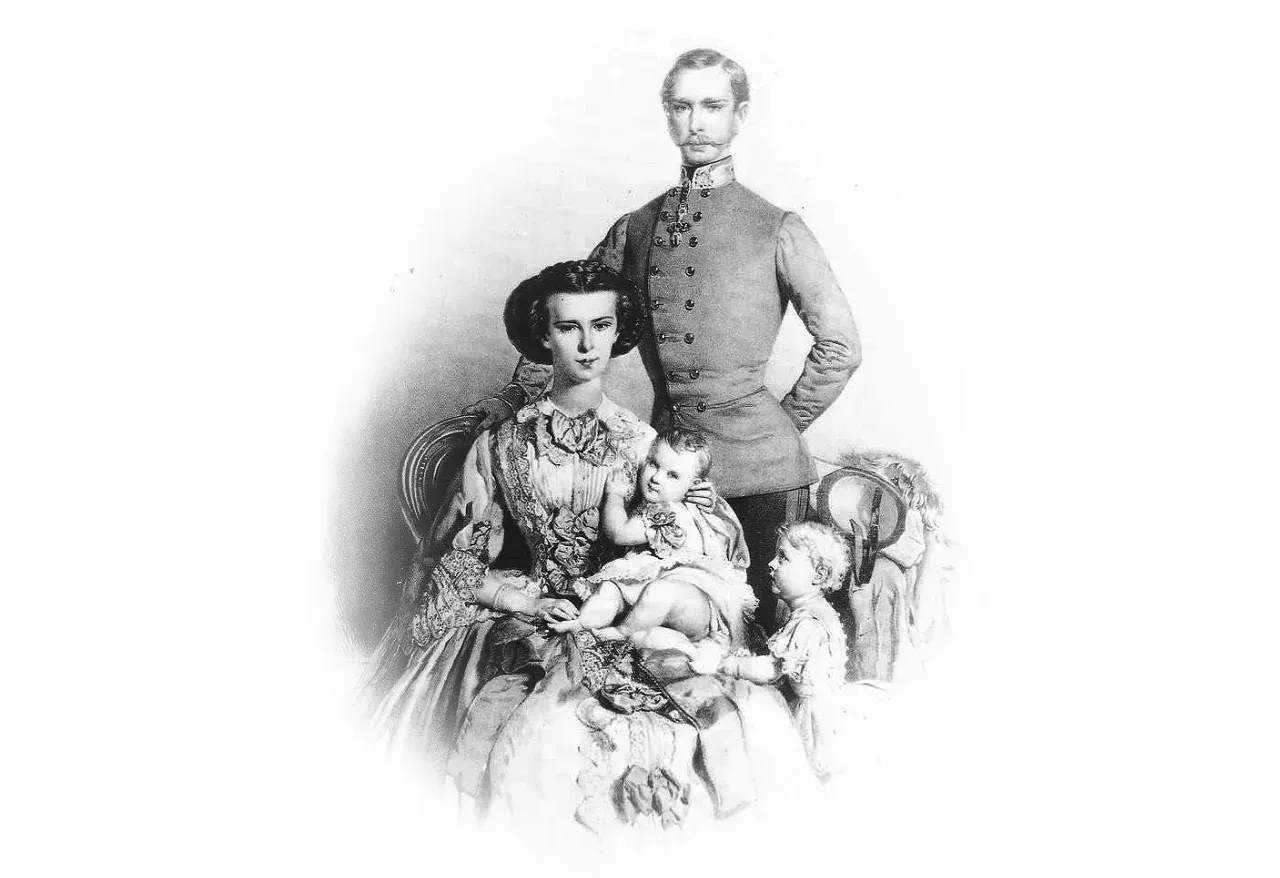
The west wing or the era of Franz Joseph and Sisi
The west wing or the era of Franz Joseph and Sisi
The West Wing captures the contrasting lives of Emperor Franz Joseph and Empress Elisabeth, revealing a marriage of opposing worldviews:
- Franz Joseph’s apartments are remarkably austere, reflecting his "emperor-bureaucrat" persona. His simple iron campaign bed symbolizes a life of military discipline and relentless work.
- In stark contrast, Sisi’s rooms overflow with luxury and personal expression. Her quarters tell a story of a 19th-century celebrity who felt suffocated by Habsburg protocols.
Ultimately, these spaces illustrate the divide between his dedication to the state and her desperate pursuit of personal freedom.
The east wing and Maria Theresa's 18th-Century Masterpiece
Now we shift centuries and sensibilities. The east wing transports you back to the 18th century and the reign of Empress Maria Theresa, the formidable matriarch who transformed Schönbrunn into the artistic marvel it became.
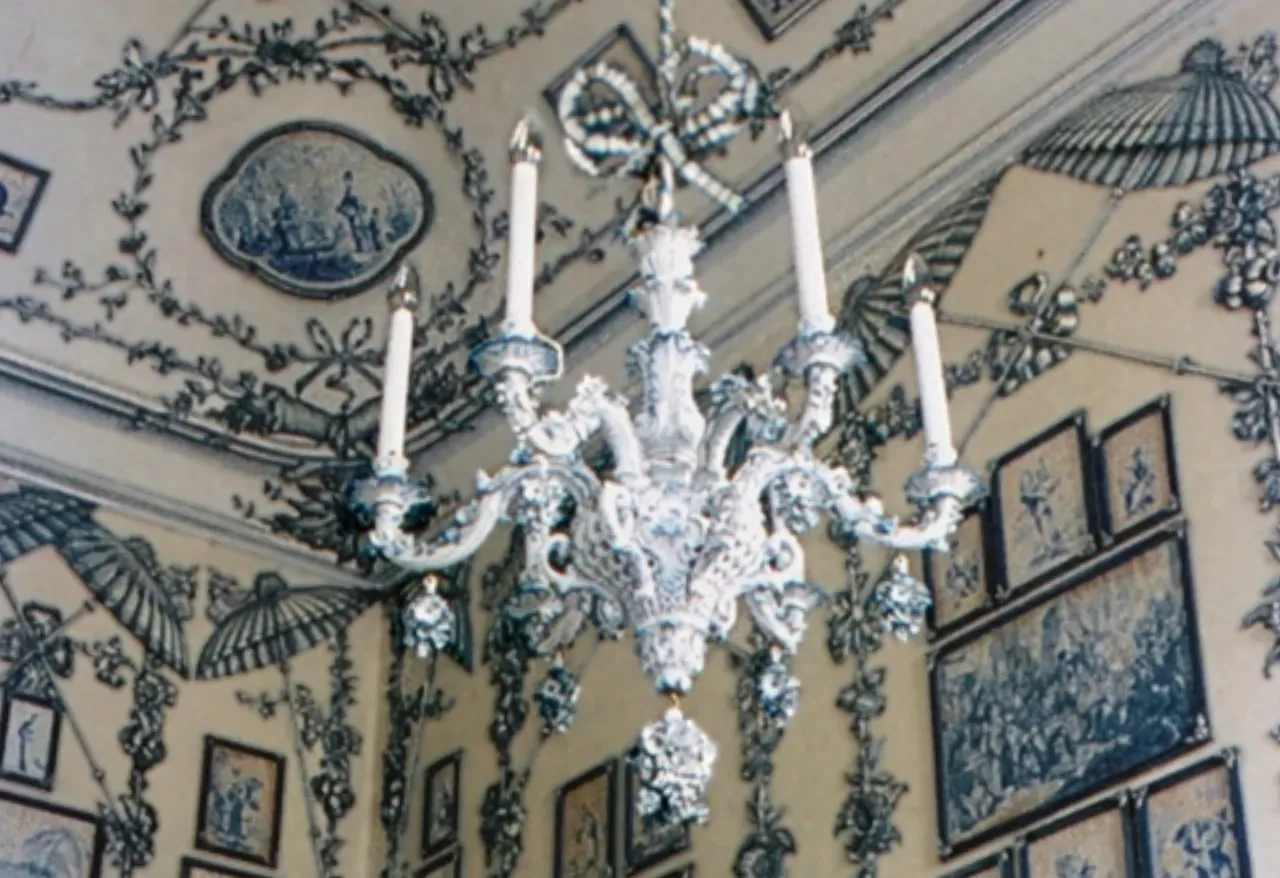
Porcelain Room
This small cabinet served as Maria Theresa’s private writing and work room, and it’s an absolute artistic fantasy. The walls aren’t actually covered in porcelain at all, they’re wooden panels meticulously hand-painted to imitate porcelain, creating a complete chinoiserie illusion.
Photo: "Schönbrunn chandelier in the Porcelain Room" by Hic et nunc.
Chinese Cabinets
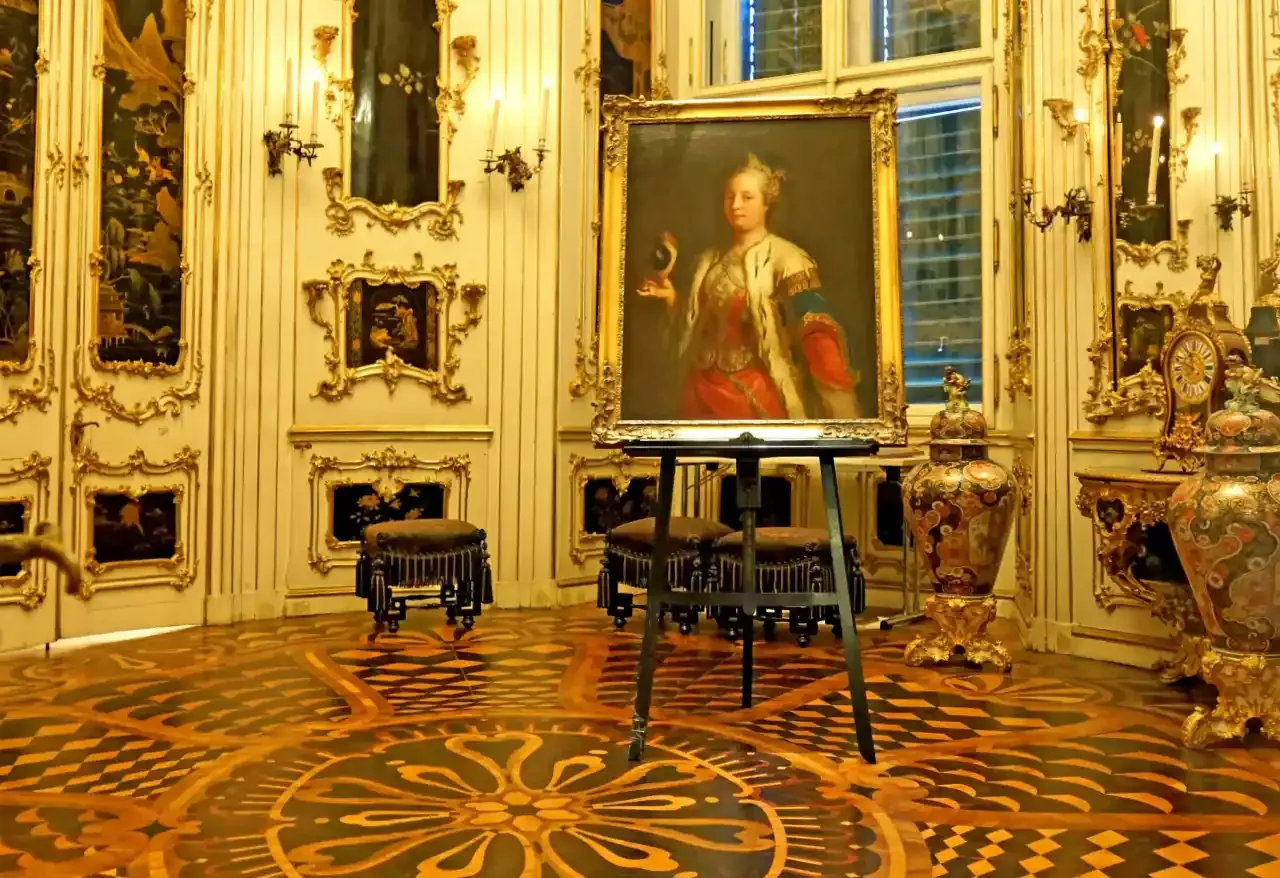
Chinese Cabinets
Two rooms, the Oval Cabinet and the Round Cabinet, flank the Small Gallery and tell a more secretive story. Maria Theresa used these chambers for confidential conferences with her state chancellor, discussing matters too sensitive for public halls or even private apartments where servants might overhear.
Unlike the Porcelain Room’s clever imitation, these cabinets are decorated with authentic Asian lacquer, imported silks, and genuine porcelain from China and Japan. The materials alone represented enormous wealth, but their purpose went deeper than showing off. These rooms created an atmosphere of otherness, a space psychologically separated from the everyday operations of the palace.
Photo: "Oval Chinese Cabinet in Schönbrunn castle" by Dennis Jarvis.
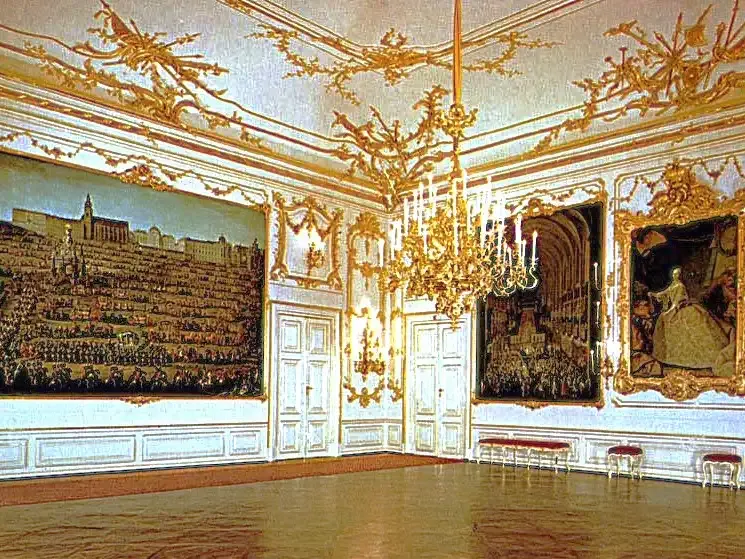
Ceremonial Hall and its Imperial wedding paintings
This grand antechamber served as a waiting and reception area, but its real significance lies in the monumental paintings depicting the wedding of Maria Theresa’s son, Joseph II. These weren’t intimate family portraits. They were large-scale propaganda pieces, documenting one of the most important dynastic marriages of the century.
The paintings capture the full pageantry and political significance of imperial weddings, those carefully orchestrated unions that maintained alliances, secured borders, and perpetuated dynasties. Looking at them now, you’re seeing how the Habsburgs wanted their own history remembered: magnificent, ordained, inevitable.
Photo: "Ceremonial Hall of Schönbrunn" by Helmuth Furch.
Useful information
Opening hours
Schönbrunn Palace opens its doors daily at 08:30 am, while the closing time varies according to the season:
- 3 November to 26 March: 8.30 am – 5.00 pm.
- 27 March to 30 June: 8.30 am – 5.30 pm.
- 1 July to 31 August: 8.30 am – 6.00 pm.
- 1 September to 2 November: 8.30 am – 5.30 pm.
Furthermore, the Schönbrunn Park (which includes the gardens, the Orangery, and the maze) opens to the public at 06:30 am, allowing access before the interior tours begin.