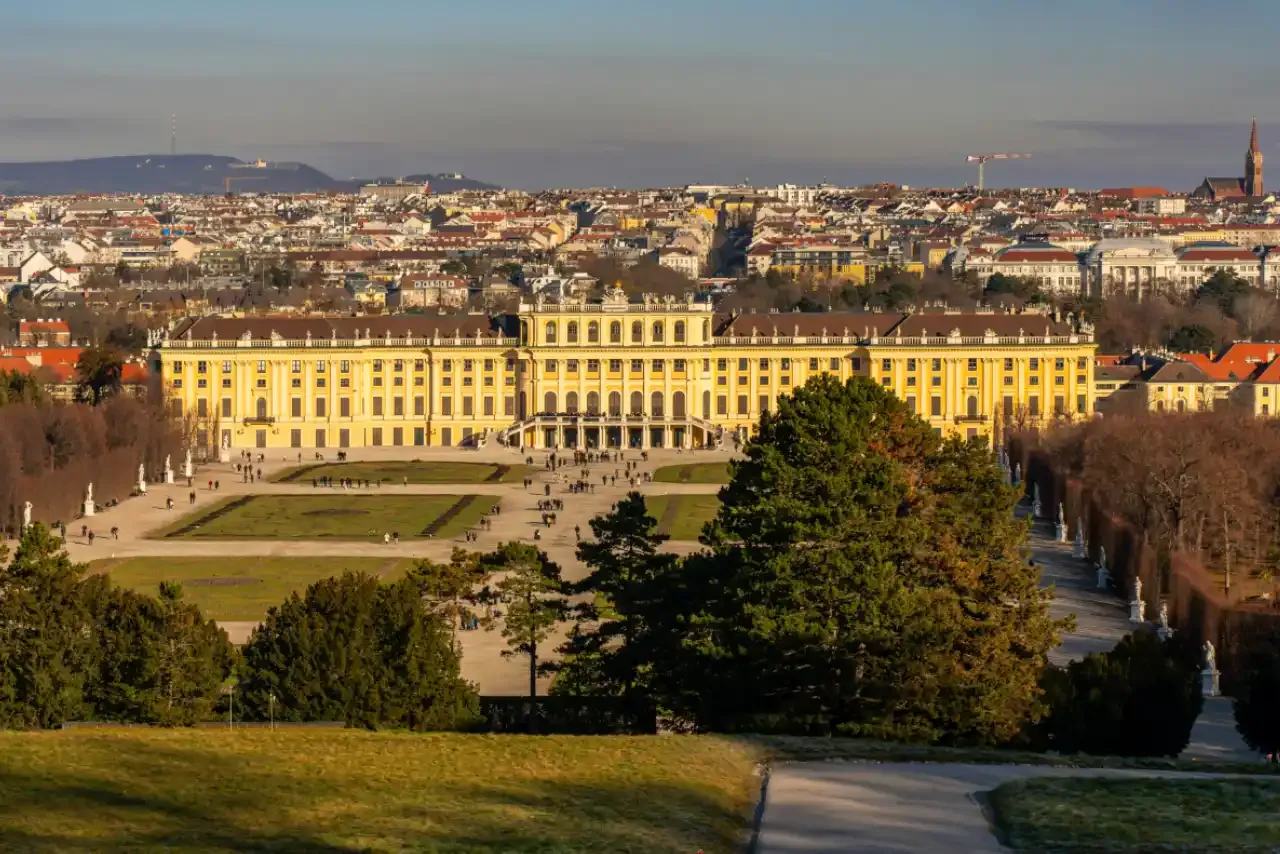
Visit Schönbrunn Palace
If you are planning a trip to Vienna, the Austrian capital, Schönbrunn Palace, of the Habsburg dynasty, should be on your list of what to see. Below, we explain everything you need to know so you can plan your visit to Schönbrunn Palace and enjoy its spectacular gardens.
How to visit the Schönbrunn Palace?
What can you see inside Schönbrunn?
Would you like to visit Schönbrunn but are unsure about what you will see inside? Schönbrunn is one of the top three places to visit in Vienna (along with the Hofburg and the Belvedere), so it is definitely worth adding to your itinerary, regardless of how much time you have in the city.
Here are a few hints of what awaits you:
Imperial Rooms
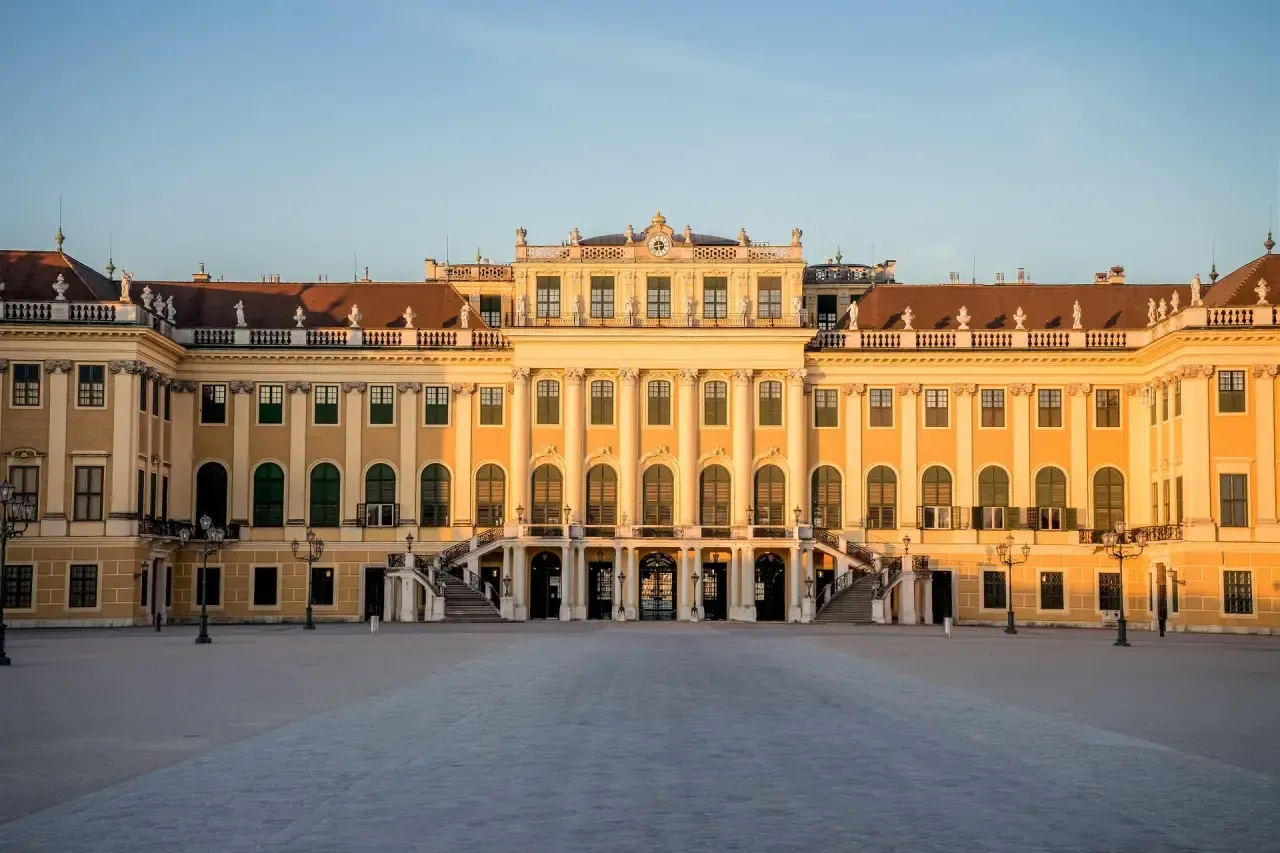
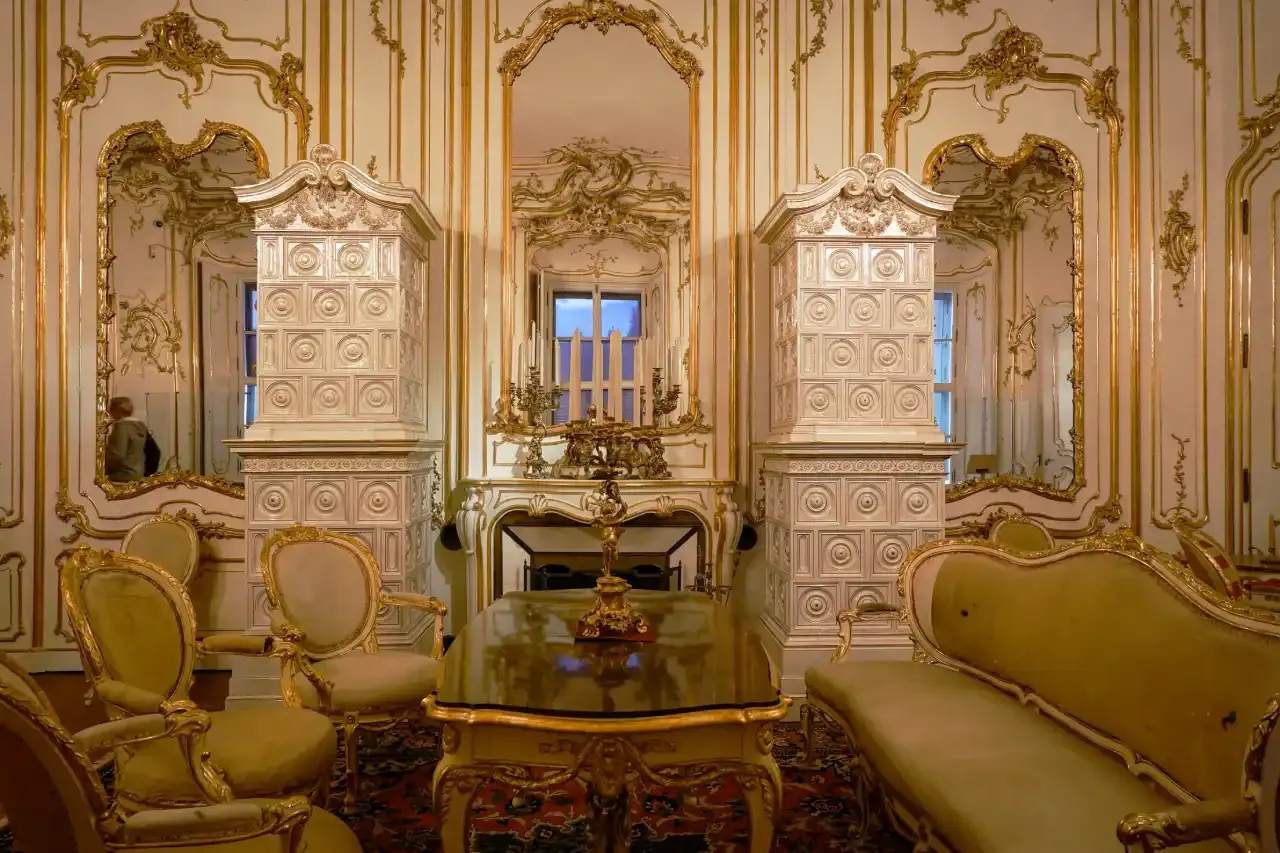
The Schönbrunn Palace houses a total of 1441 rooms. Although the majority remains closed, 45 of them are open to the public, so you will have the possibility of getting to know the grand lifestyle that Empress Maria Theresa and Emperor Franz Joseph and Sissi had.
One of the most striking rooms is the Great Gallery, whose decoration, dominated by white and gold, enchanted all the attendees of the grandiose banquets, balls, and events of historical importance that were organized in it.
On the other hand, the Blue Chinese Salon, dedicated as a ceremony room, stands out for its oriental design and its characteristic 18th-century wallpaper, an authentic artistic jewel that you will be able to enjoy during your visit to Vienna.
Why is Schönbrunn Palace worth visiting?
Want a short answer? Yes, it’s totally worth it.
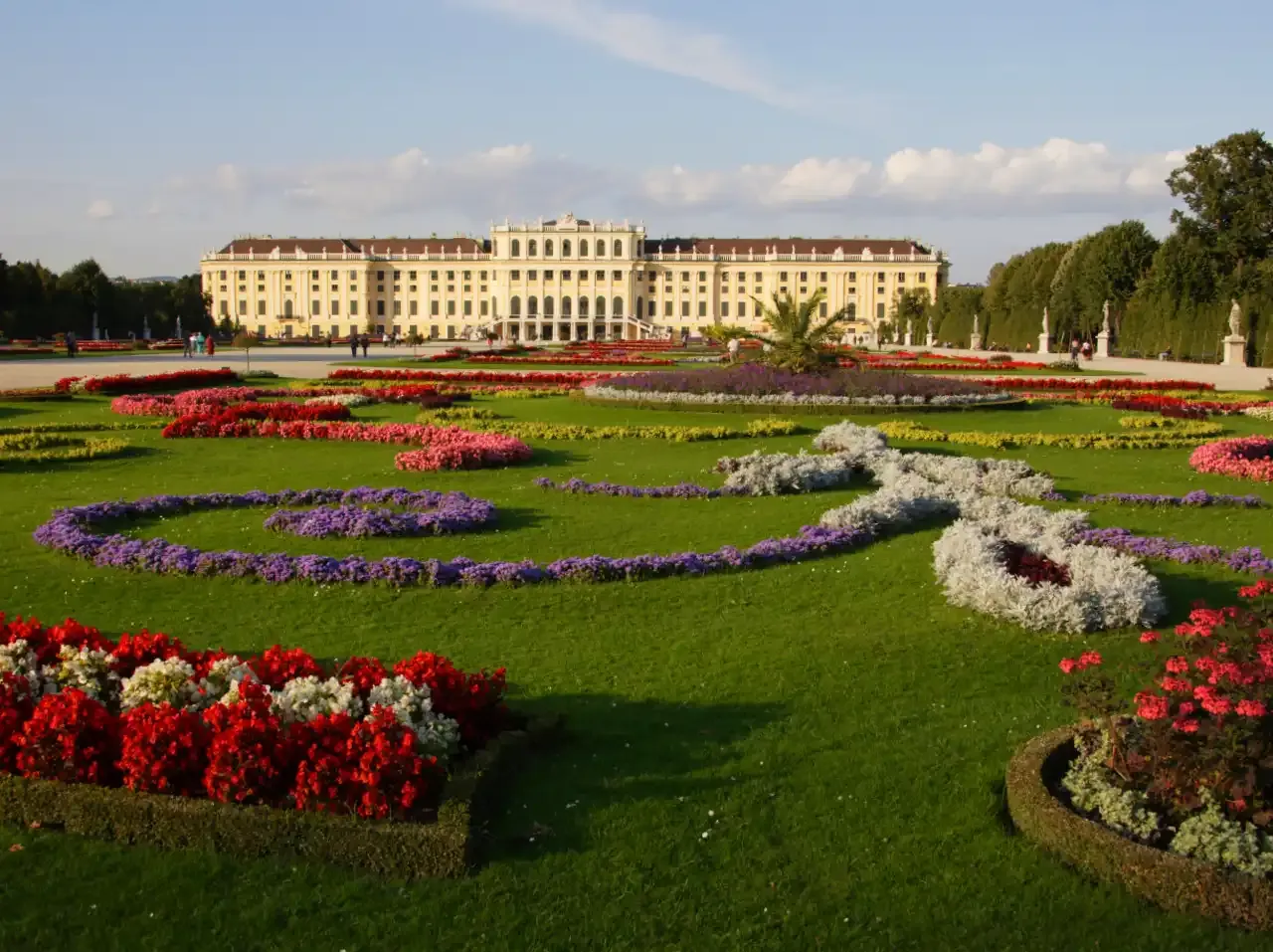
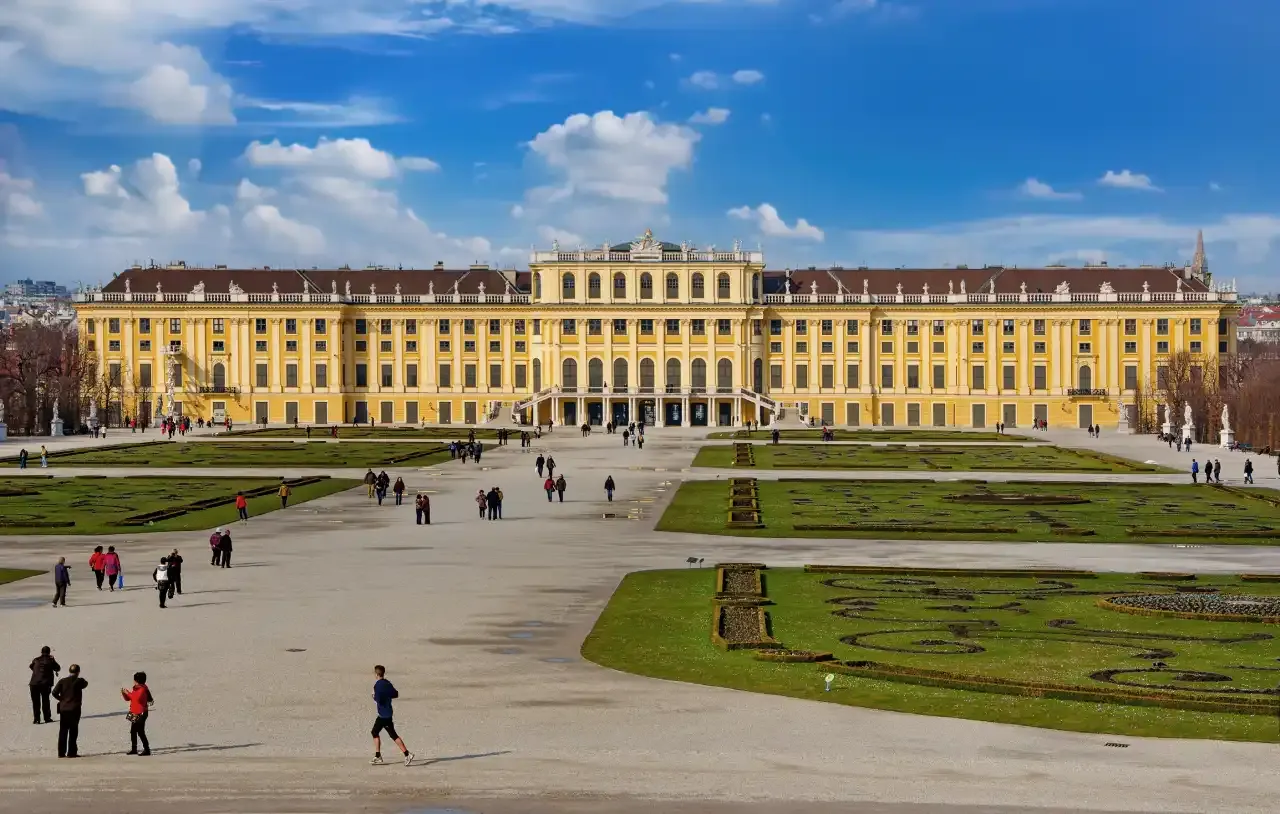
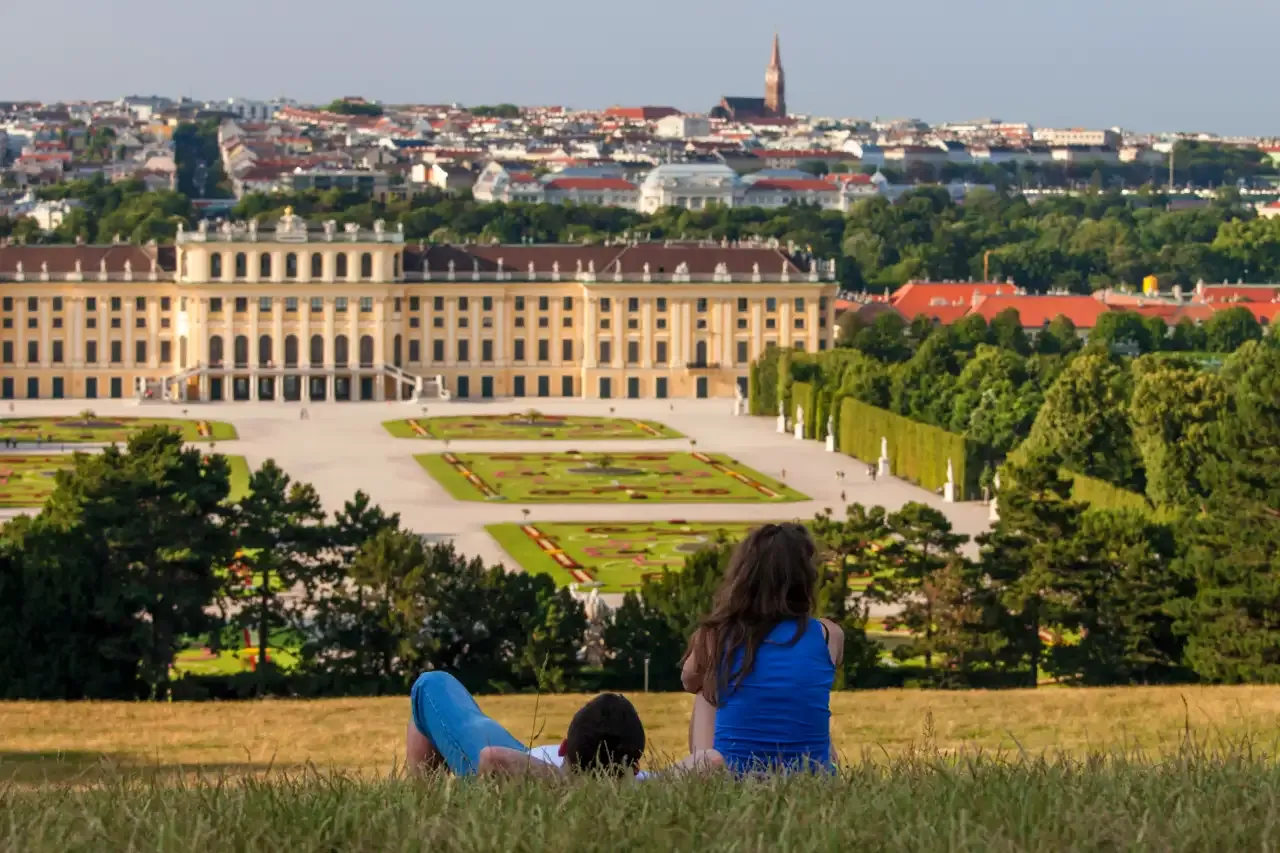
If you like historical places and enjoy baroque architecture, visiting the Schönbrunn Palace in Vienna will be an experience that will be totally worthwhile. This place, declared a World Heritage Site by UNESCO in 1996, offers the possibility of knowing what the lifestyle of royalty was like, allowing you to enter many of the rooms that the Habsburgs used in their daily life. In addition to its luxurious rooms, you will be able to explore its gardens, fountains, and sculptures, while enjoying the panoramic view from the hill to appreciate the landscape from this point in Vienna.
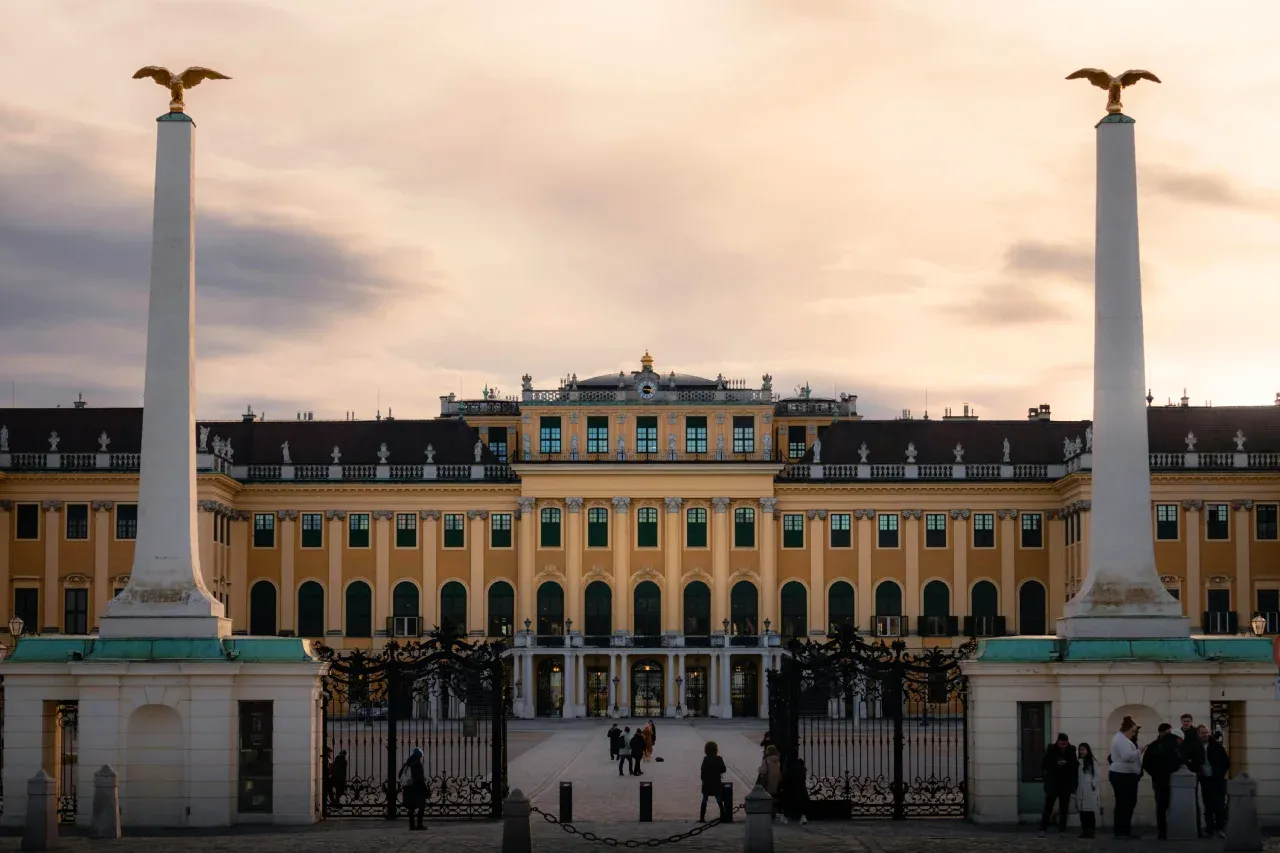
Historically, the palace represents the power of the House of Habsburg, the dynasty that governed vast European territories for centuries. Originally conceived at the end of the 17th century under Emperor Leopold I, Schönbrunn was transformed into a dazzling summer residence and the center of imperial life in the 18th century, symbolizing the imperial luxury of the time. Its 45 open rooms will allow you to delve into the intimate life of the court, especially that of Emperor Franz Joseph and Empress Elisabeth, up to ceremonial halls where European historical events were celebrated.
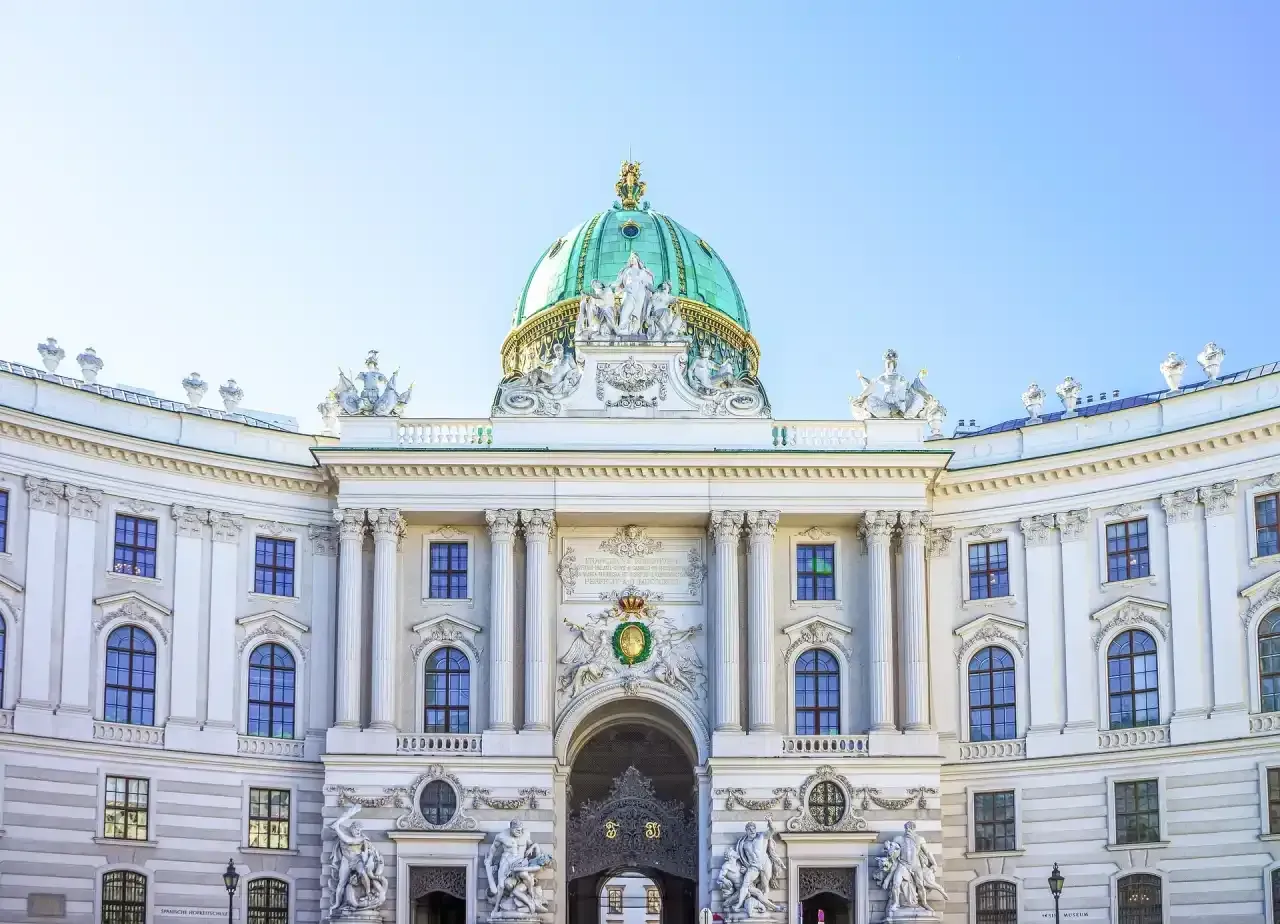
To enjoy a more integral and temporal vision of Austrian culture during your visit to Schönbrunn Palace, you can complement your trip with other key monuments in Vienna, such as the Hofburg Palace, which was the dynasty’s winter residence, a gigantic complex from where the Habsburgs ruled for more than 600 years (the political and administrative center).
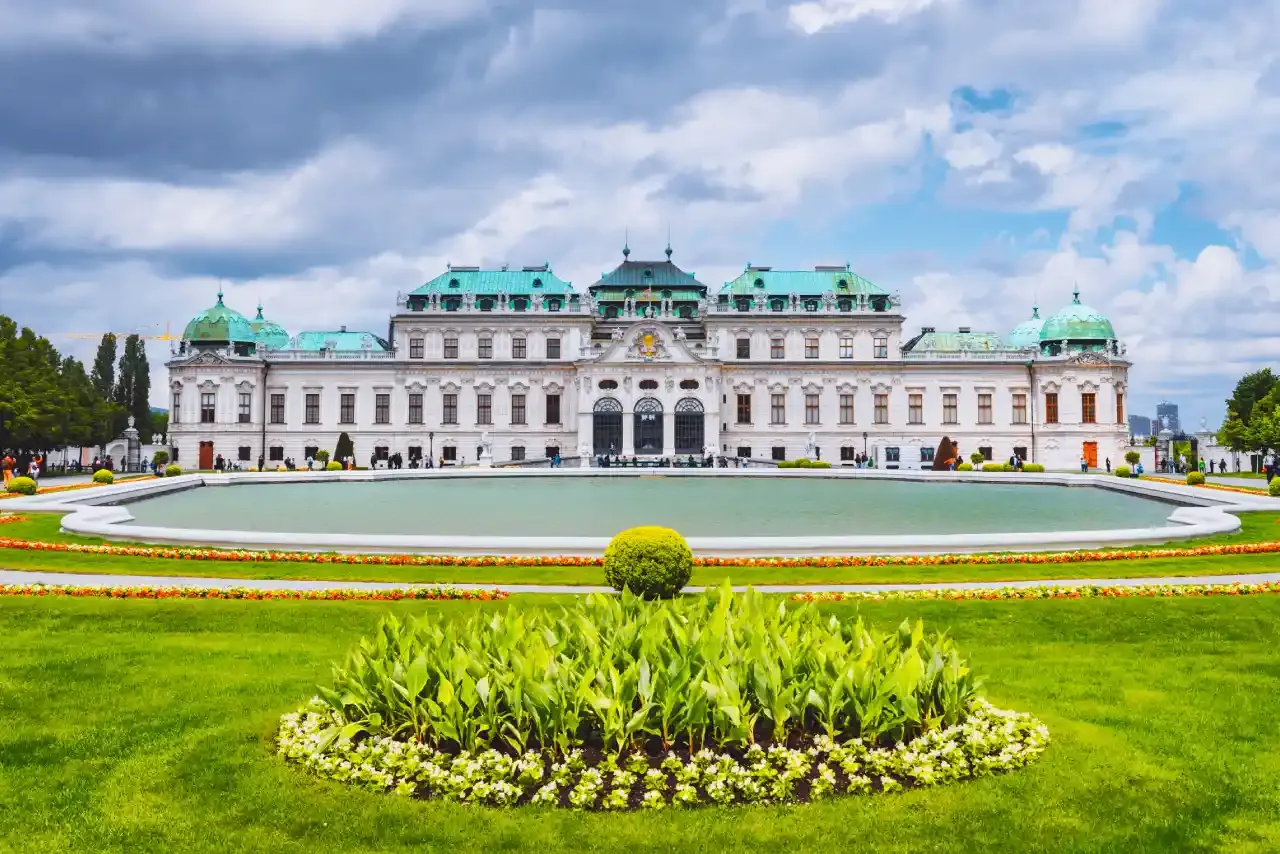
Or you can also visit the Belvedere Palace, built at the beginning of the 18th century for Prince Eugene of Savoy, another example of Viennese baroque architecture that also houses an incredible art collection, by having the Museum of Baroque Art, the Museum of Medieval Art, and the Austrian Art Gallery inside.
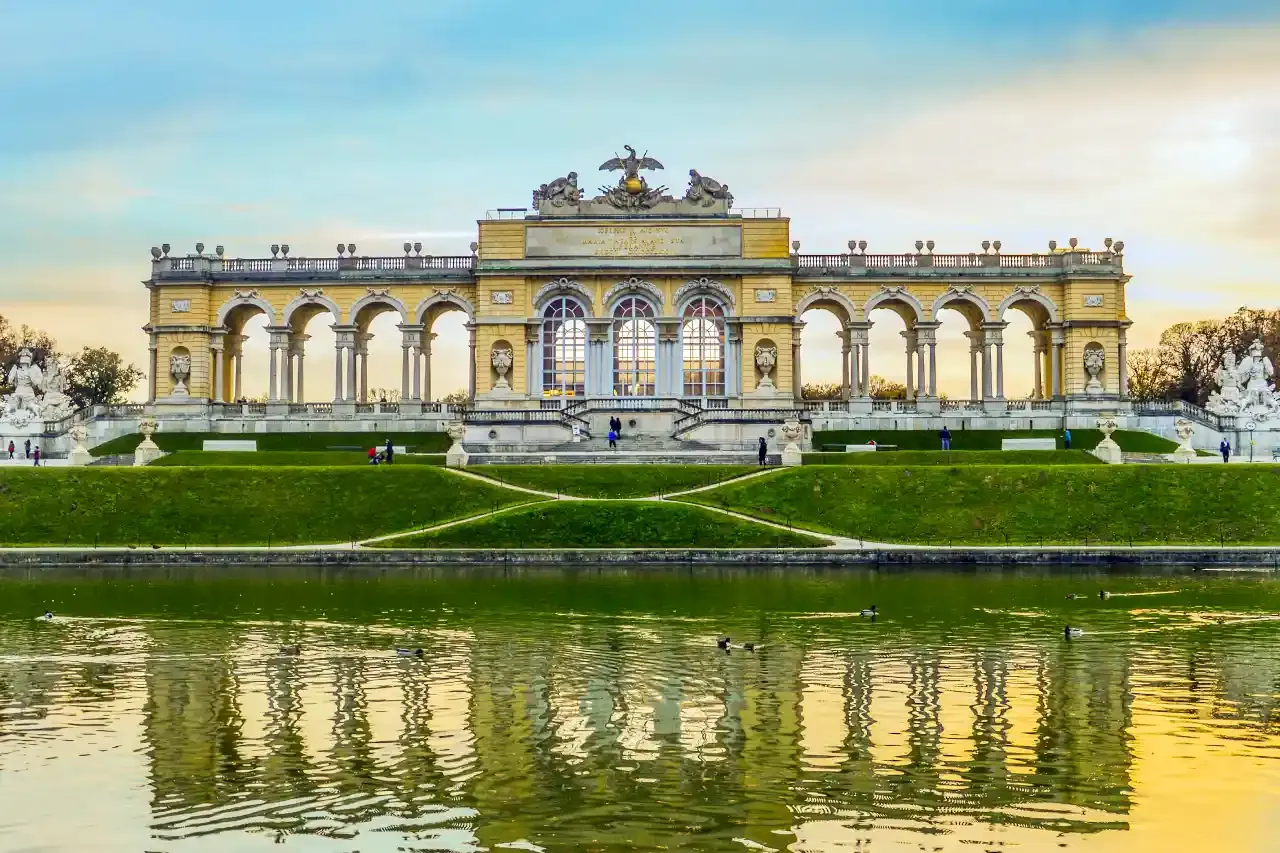
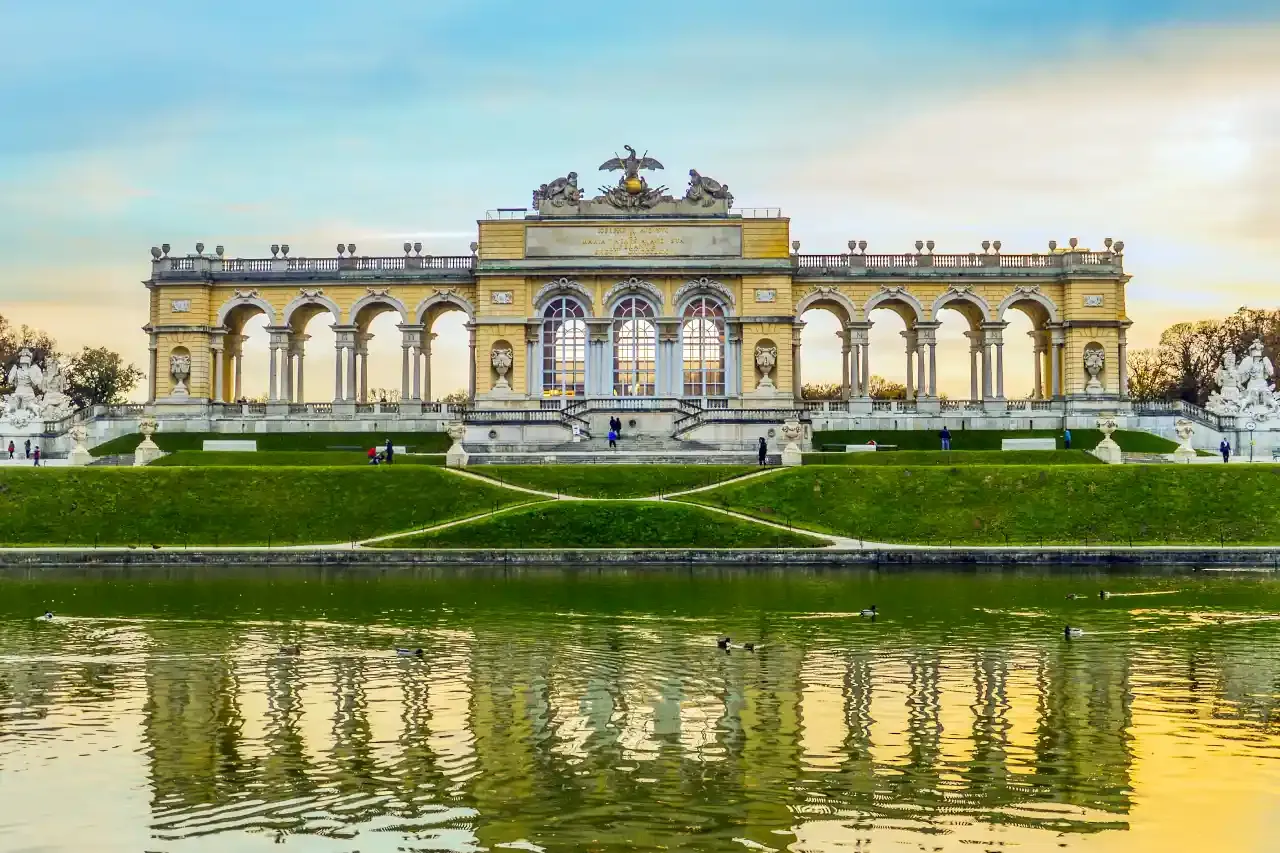
If you decide to visit the Schönbrunn Palace, we are sure that you will enjoy its amazing rooms and fall in love with its vast outdoor extension, where the iconic Gloriette on the top of the hill will offer you the best views. From there, you will get the ideal perspective to appreciate the scale of this World Heritage Site that holds so many years of history.
Plan your visit to Schönbrunn Palace
Opening hours
Schönbrunn Palace opens its doors daily at 08:30 am, while the closing time varies according to the season:
- 3 November to 26 March: 8.30 am – 5.00 pm.
- 27 March to 30 June: 8.30 am – 5.30 pm.
- 1 July to 31 August: 8.30 am – 6.00 pm.
- 1 September to 2 November: 8.30 am – 5.30 pm.
Furthermore, the Schönbrunn Park (which includes the gardens, the Orangery, and the maze) opens to the public at 06:30 am, allowing access before the interior tours begin.
What should you visit near Schönbrunn?
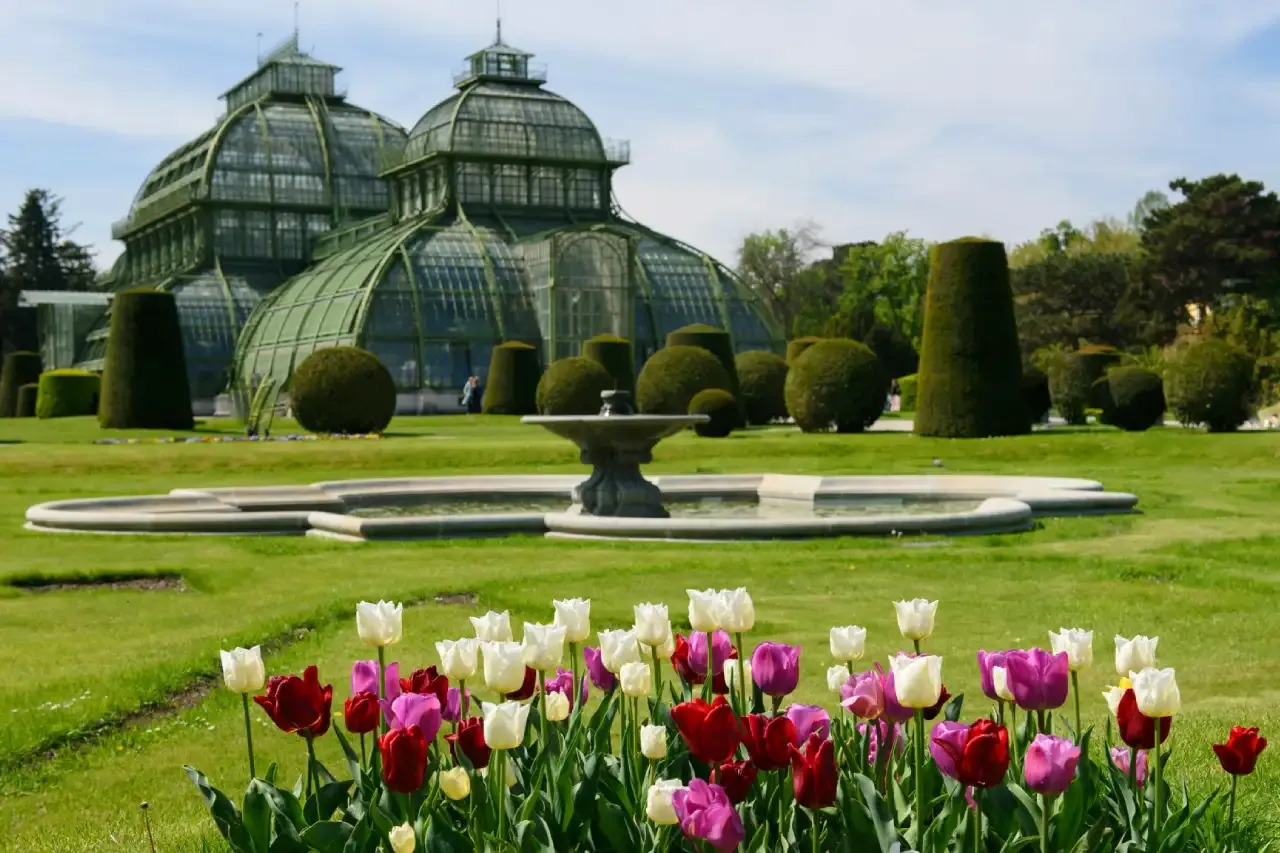
Before visiting Schönbrunn Palace, you should know that its immediate surroundings are packed with attractions that make the trip worth it: from natural gems to sculptures and museums that will help you learn more about this dynasty. Beyond its imperial rooms, the palace grounds border a charming private garden, the world’s oldest zoo, a Palm House, a fantastic café with views, and much more, the details of which we help you discover below:
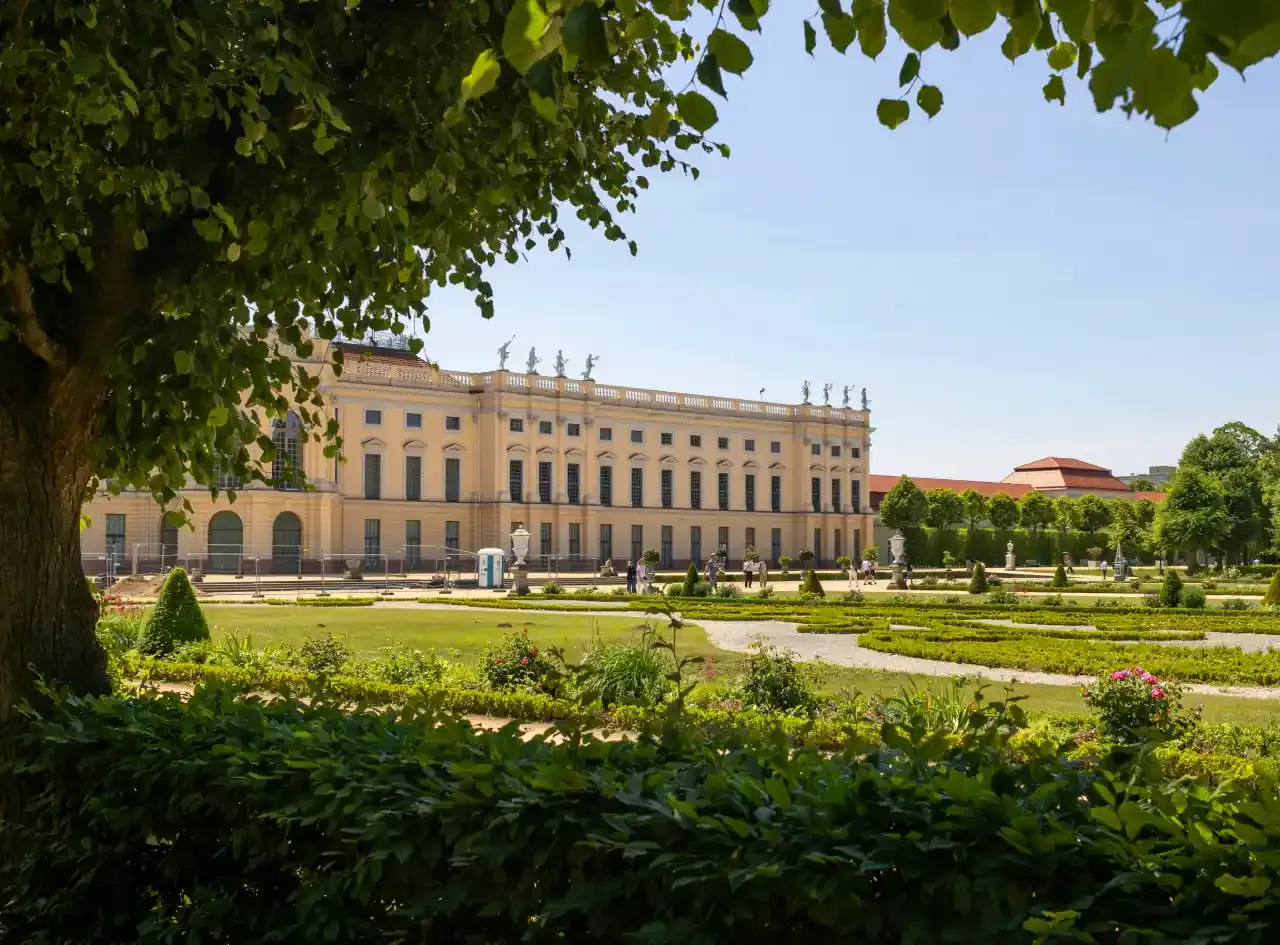
The Privy Garden (Kronprinzengarten)
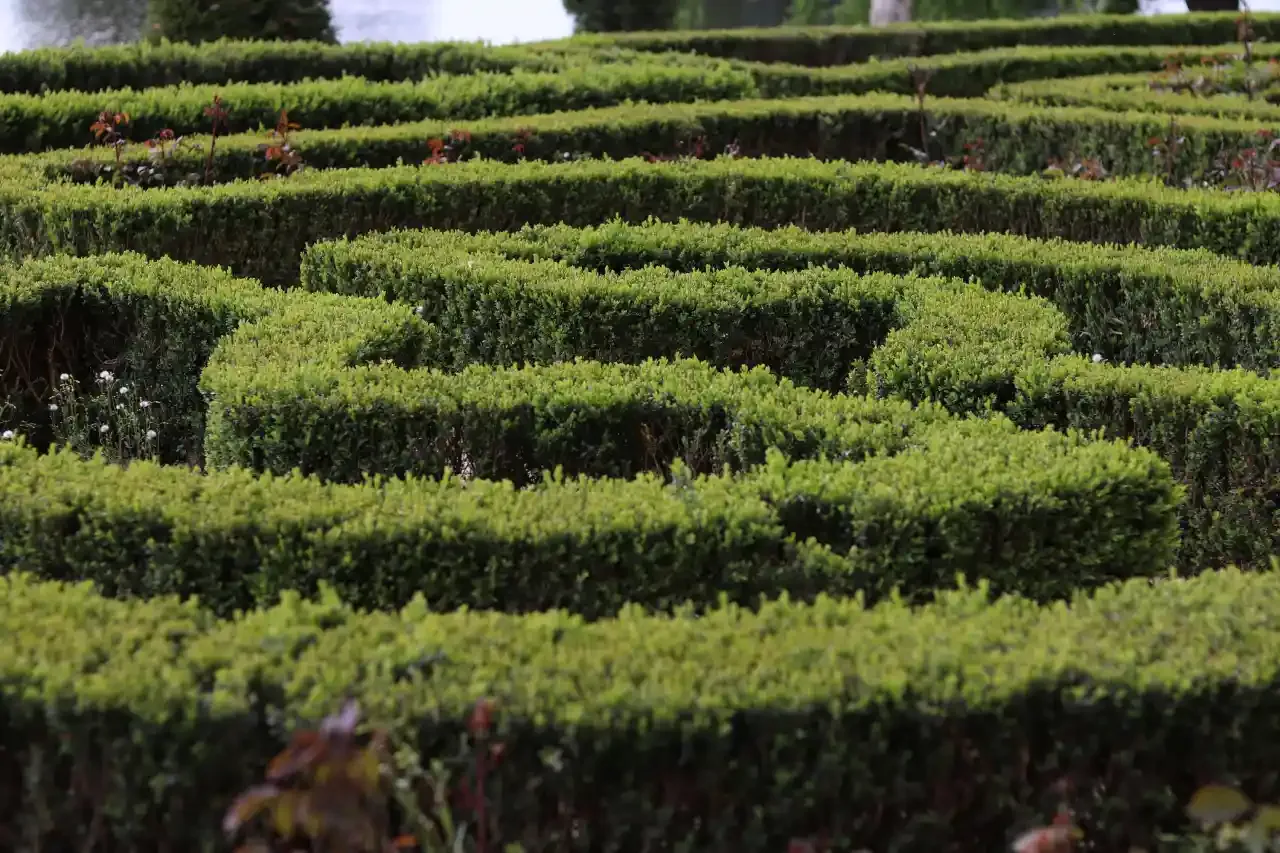
Originally designed for the exclusive use of the imperial family, this place, also known as the Crown Prince’s Garden, is characterized by a formal, geometric design reminiscent of the gardens of Versailles. Its carefully trimmed hedges, small fountains, and abundant flowers create the perfect atmosphere for unwinding and enjoying the outdoors during your trip.
If you like Baroque landscaping in its most refined form, make a note of the name of this garden, where the heirs to the Habsburg throne used to enjoy walks every afternoon.
Vienna Zoo (Tiergarten Schönbrunn)
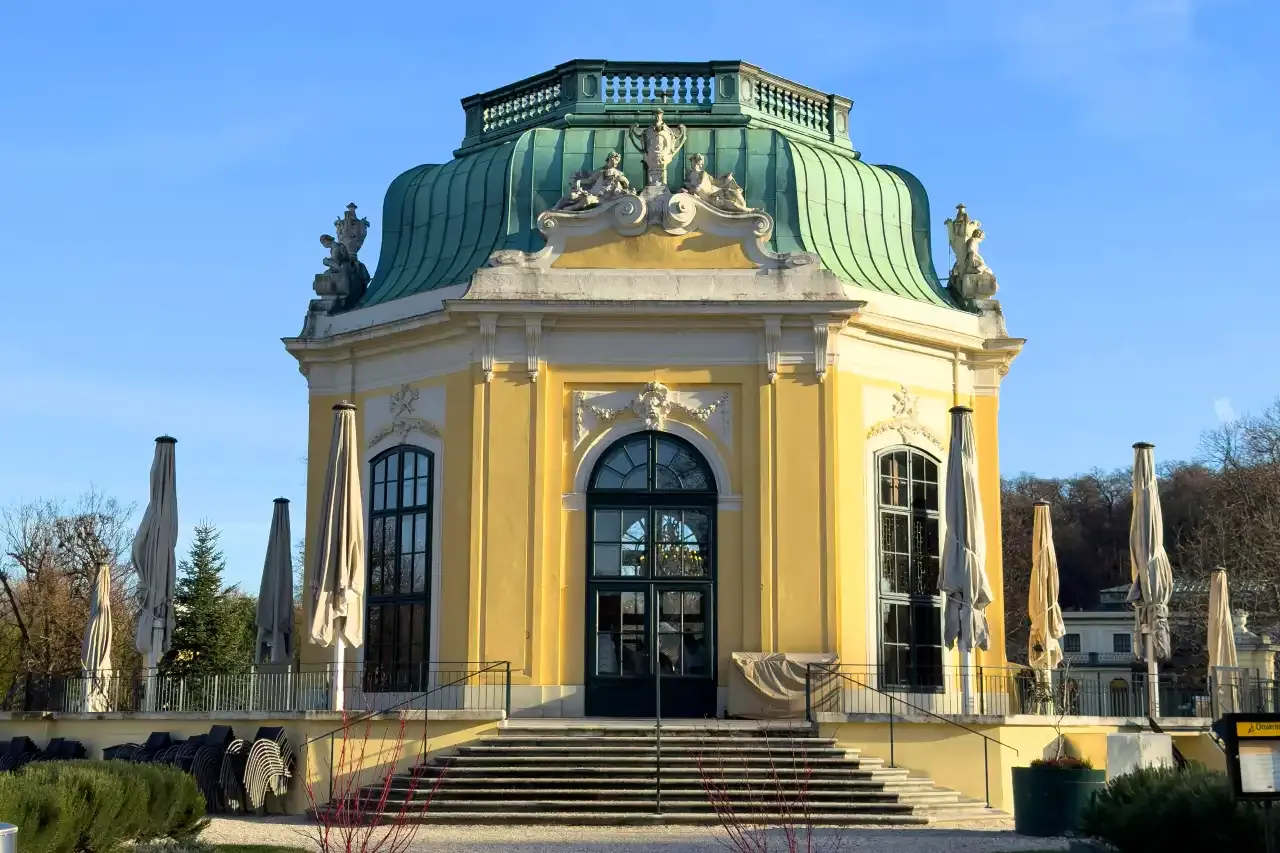
Vienna Zoo (Tiergarten Schönbrunn)
As we mentioned before, Schönbrunn Palace is a historical monument that houses the world’s oldest zoo. Located within the palace grounds, it offers a unique blend of imperial history and modern conservation. Despite its age, the zoo is a pioneer in animal welfare and the breeding of endangered species, and is especially famous for its giant pandas.
Most of the enclosures are integrated into original historical structures, such as the Imperial Breakfast Pavilion, which now houses the zoo’s restaurant. Visiting the Tiergarten is an ideal activity if you plan to travel with family or are a nature lover.
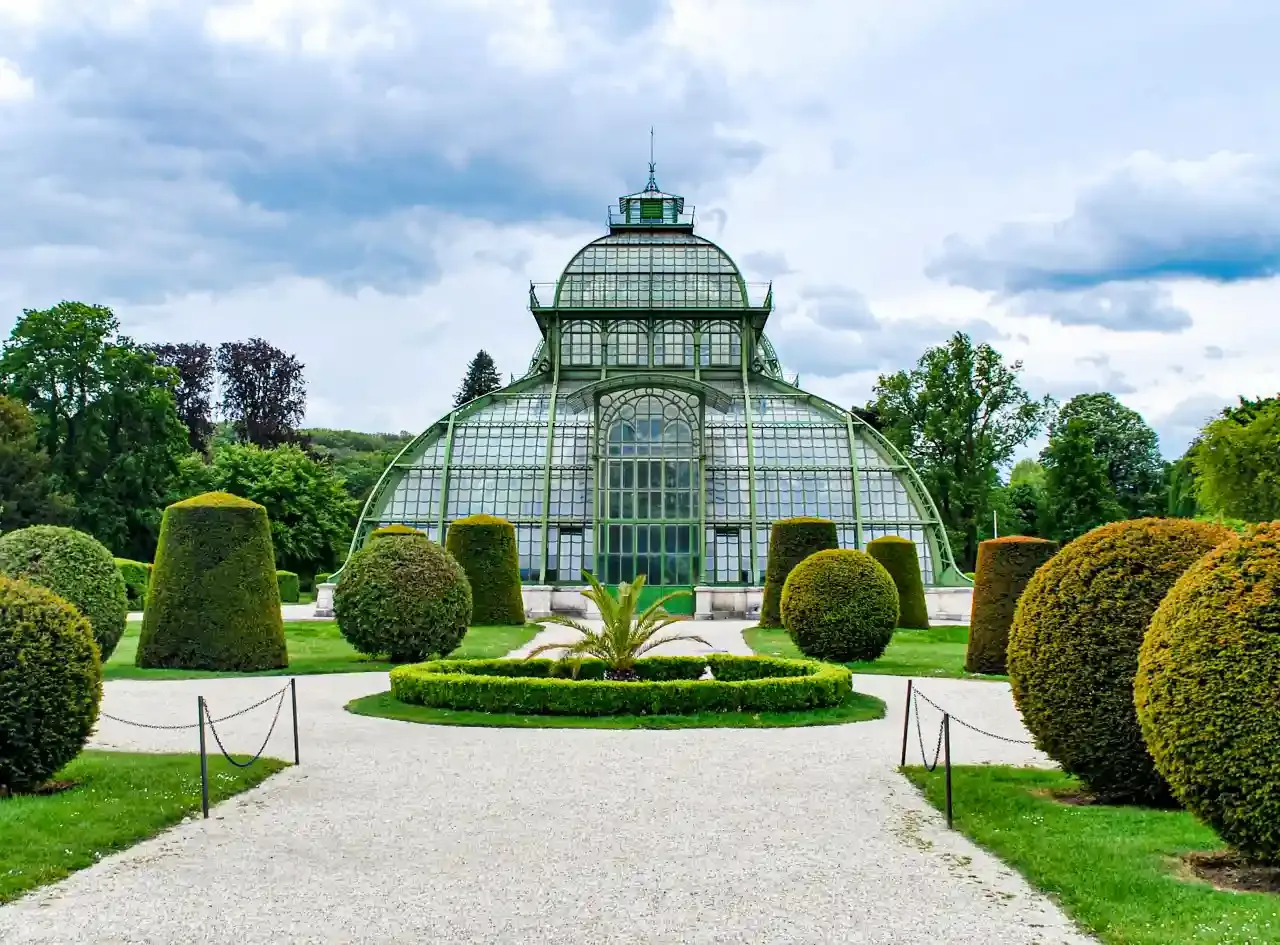
The Palm House (Palmenhaus)
This is an impressive 19th-century structure made of iron and glass. Furthermore, as a curious fact, you should know that it is one of the largest greenhouse structures of its kind in the world. Built in 1882, this 1,200 square-meter greenhouse was designed to house an astonishing collection of exotic botanical species from the remotest corners of the Austro-Hungarian Empire and from scientific expeditions.
Its design is divided into three climate pavilions (warm, temperate, and cold), recreating the necessary habitats for plants from various regions, from prehistoric ferns to gigantic palms. If you decide to include it in your visit to Schönbrunn Palace, you will enjoy a journey through different climate zones and have the opportunity to see the imperial fascination with science and botany.
Vienna Technical Museum
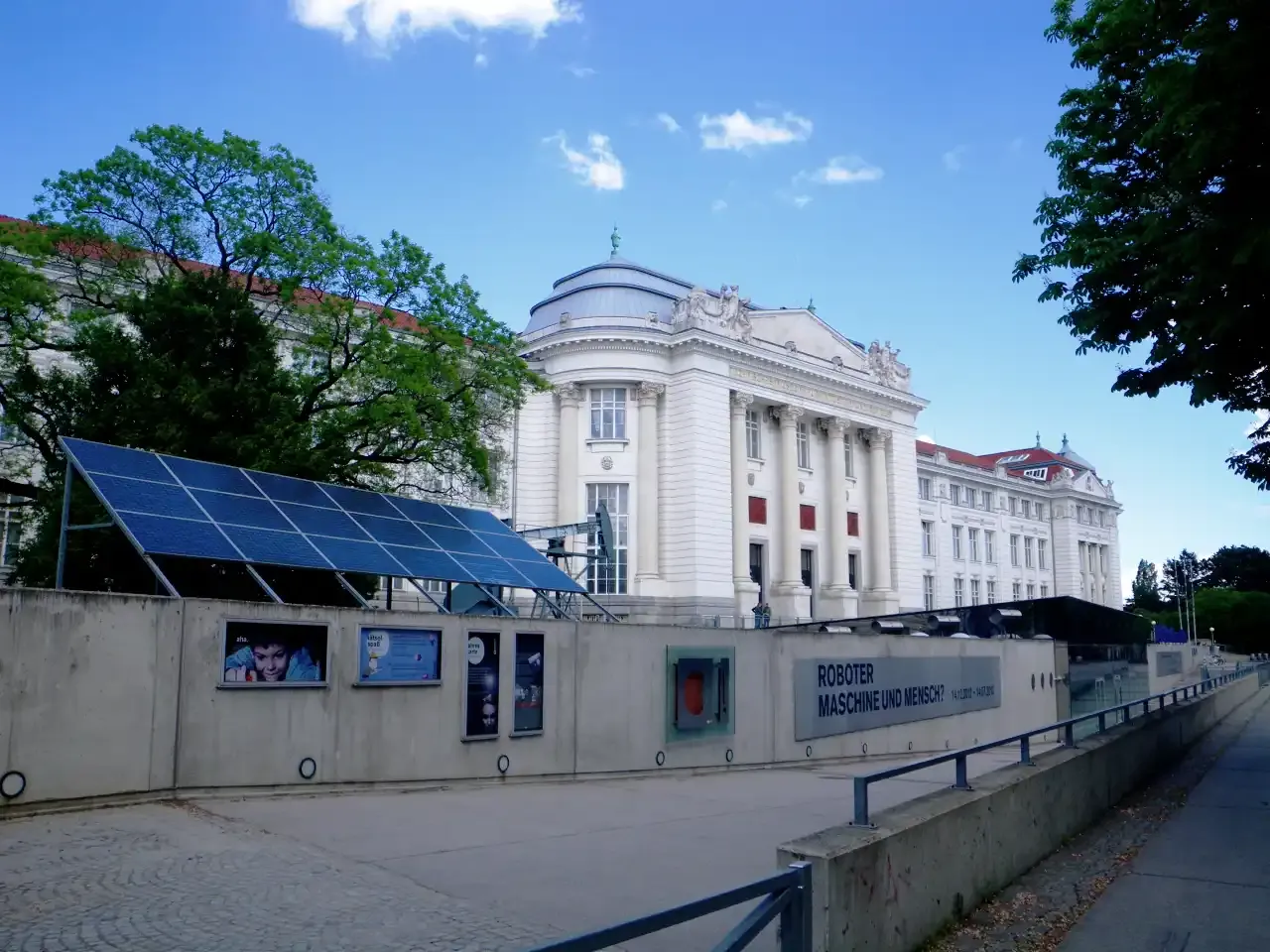
Vienna Technical Museum
Speaking of science, very close to the palace’s main entrance you will find the Vienna Technical Museum, a place that holds one of Europe’s most important technological collections, dedicated to industry, transport, energy, and science in Austria. Inside, you will find interactive exhibitions that range from antique cars, like Empress Elisabeth’s carriage, to steam engines and locomotives, such as the 12.10, a superlative steam locomotive.
The building has areas specially designed for families, with educational games that help children learn creatively and understand complex concepts in a much simpler way. In short, it’s a must-see if you are traveling with children!
Café Gloriette
Located inside the Gloriette structure, on the Schönbrunn Palace hill, the Café Gloriette offers the perfect combination of history, architecture, and gastronomy. The Gloriette was originally designed as an imperial dining room and reception hall, and today its interior houses an elegant café where you can enjoy Viennese specialties, such as apple strudel (Apfelstrudel) and the typical chocolate cake, Sacher cake (Sachertorte), along with a delicious coffee or an imperial breakfast.
As you can imagine, the café’s main attraction is its location, as it offers panoramic views of the entire palace complex, the gardens, and the beautiful city of Vienna.
The Neptune Fountain (Neptunbrunnen)
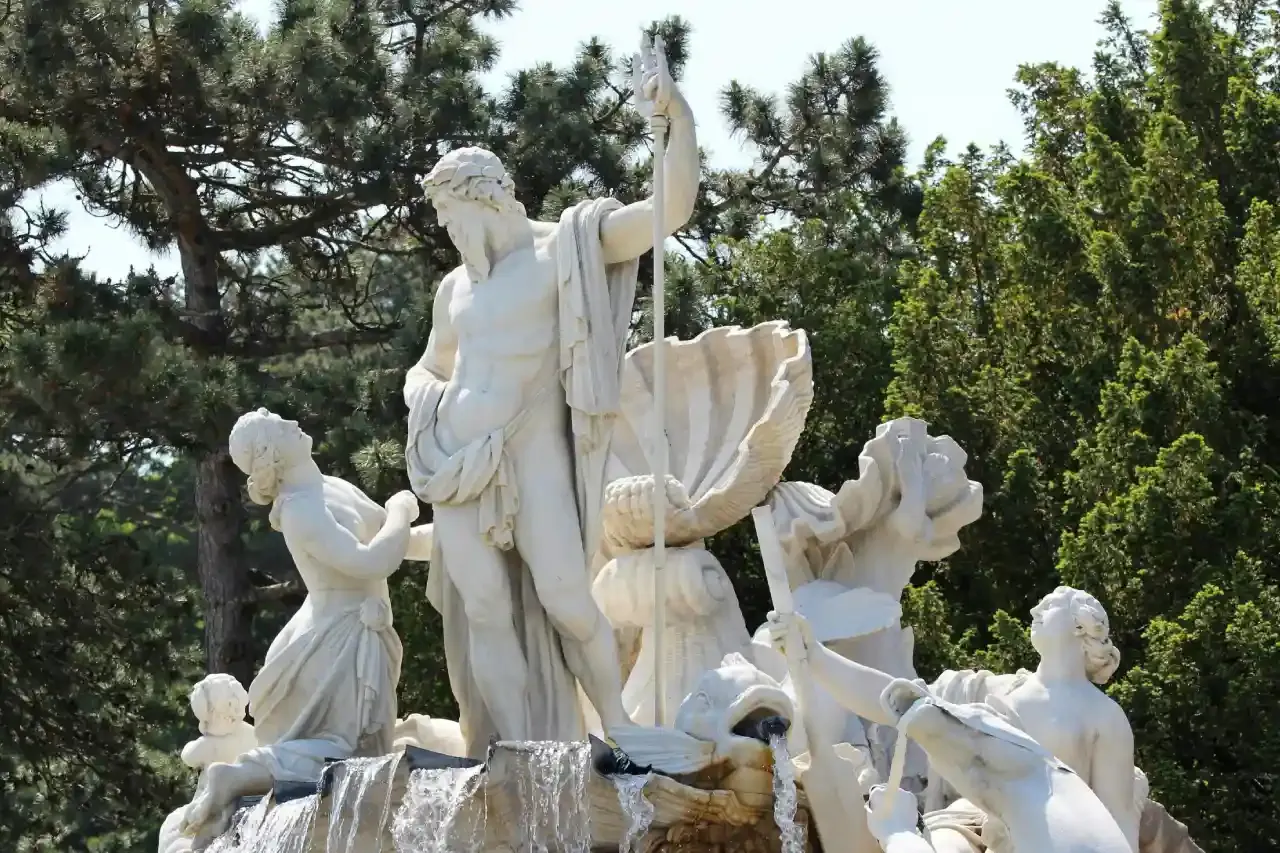
The Neptune Fountain (Neptunbrunnen)
The Neptune Fountain represents one of the most distinctive and emblematic elements of the Schönbrunn gardens. Excavations to build the large basin began in 1776, when Empress Maria Theresa decided to renovate and further embellish the imperial gardens. Four years later, the work concluded with the creation of a baroque sculptural composition.
The scene depicts the powerful sea god, Neptune, standing on a shell pulled by tritons and sea creatures. Between the 16th and 18th centuries, the figure of Neptune became a frequent motif in European palaces and gardens, as monarchs used it as a symbol of power, stability, and control over the destinies of their people.
Is it possible to visit the Hofburg and the Belvedere together with Schönbrunn?
While it is physically possible to visit the Hofburg, Belvedere, and Schönbrunn in one day, doing so compromises the quality of the experience. Each site represents a significant pillar of Austrian history and requires substantial time to appreciate.
Schönbrunn is a massive complex that demands at least half a day for its rooms, gardens, and zoo. The Hofburg functions as a dense cultural hub containing the Sissi Museum and the Spanish Riding School, while the Belvedere serves as a premier art gallery housing Klimt’s masterpieces.
To avoid physical exhaustion and ensure proper historical assimilation, you should dedicate at least three separate days to these landmarks, prioritizing your own unhurried exploration over a rushed itinerary.