
Schönbrunn Palace gardens
Here’s everything you need to know about what’s free, what costs money, and how to make the most of Schönbrunn’s gardens.
Support when you need it
Customer service to help you with all your needs from 8:00 a.m. to 7:00 p.m.
Fast and online booking
Choose the best option for your needs and preferences and avoid the lines.
Top attraction in Vienna
Discover Vienna’s most famous palace and step into centuries of imperial history.
Is it free to visit the gardens of Schönbrunn Palace?
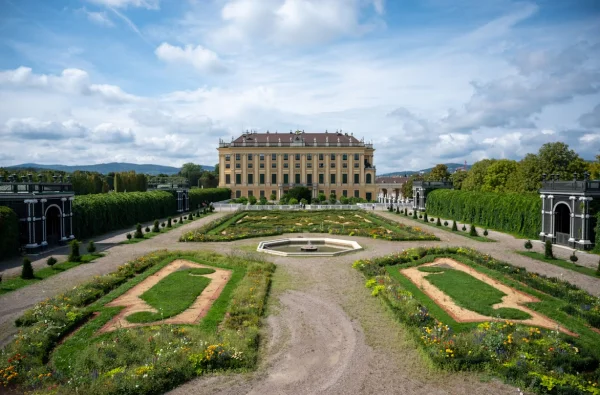
Yes, the vast majority of the Schönbrunn gardens are completely free.
The Habsburgs left a legacy of accessibility that continues today. You can walk through the main gates and explore over a kilometer of parkland without opening your wallet. This “Open Park” policy means the most iconic spots are part of the schonbrunn gardens free experience.
Here is what you can see for free:
- The Great Parterre.
- The Neptune Fountain.
- The Gloriette Hill.
- The Roman Ruin & Obelisk.
However, there are specific enclosed zones that require a ticket:
- Privy Garden.
- Orangery Garden.
- The Maze & Labyrinth.
- Gloriette Terrace.
- Palm House & Desert House.
What not to miss at Schönbrunn Palace and Gardens
The estate is huge (over 160 hectares), so it is easy to get overwhelmed. If you want to leave feeling like you really saw the best parts, here are the three landmarks you need to prioritize:
Gloriette Schönbrunn
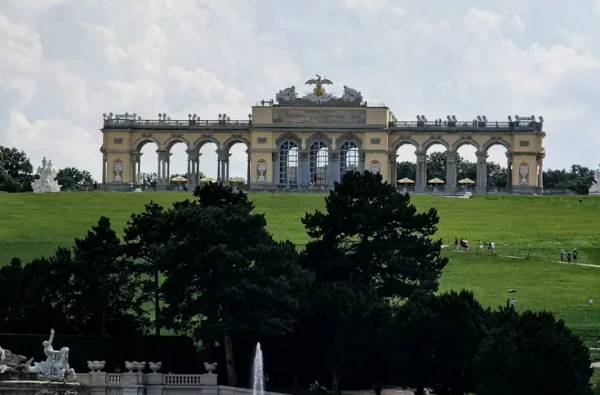
The Gloriette at Schönbrunn Palace is perhaps the most famous landmark in the gardens. Built in 1775, this monumental arch stands proudly on the hilltop, overlooking the palace and offering one of the best panoramic views of Vienna. Inside, visitors can also enjoy a charming café while admiring the architecture and scenery. The Gloriette is not only a visual highlight but also a symbol of imperial grandeur.
Palm House Schönbrunn
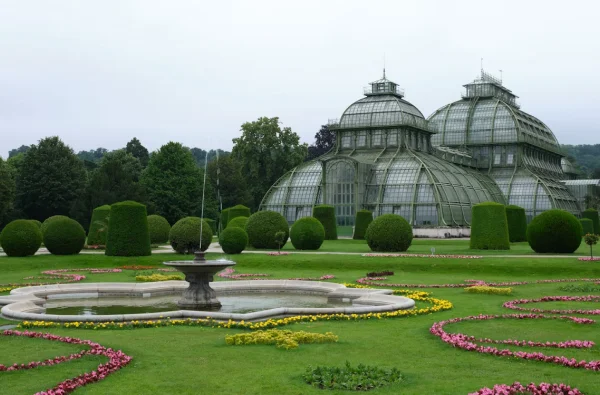
The Palm House Schönbrunn is one of the largest and most beautiful historical greenhouses in Europe. Constructed in 1882, it is divided into three pavilions with different climate zones, housing a diverse collection of tropical and subtropical plants. Rare species, including giant palms and exotic flowers, make this a paradise for nature lovers and garden enthusiasts.
Schönbrunn Fountains
The gardens of Schönbrunn are dotted with impressive fountains, each with unique symbolism and artistic design. Among the most notable are:
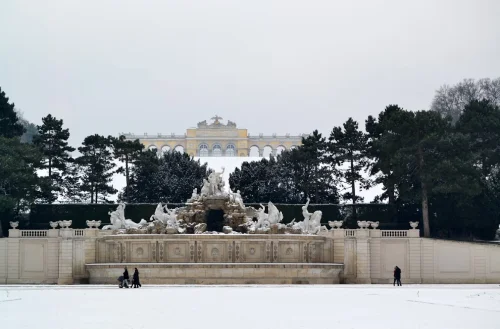
Situated at the foot of the Gloriette hill, the Neptune Fountain is one of the most iconic features of the gardens. It depicts Neptune, god of the sea, surrounded by water deities, representing the power and grandeur of the Habsburg dynasty.
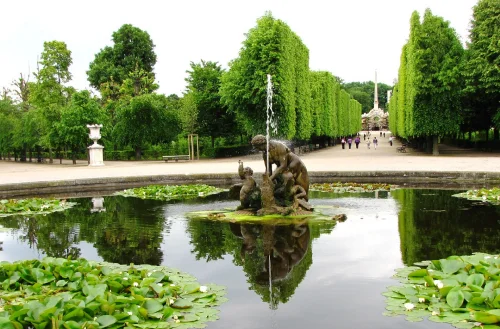
A smaller yet elegant piece, the Naiad Fountain celebrates water nymphs from classical mythology. It is a serene spot within the gardens, perfect for a quiet pause during your visit.
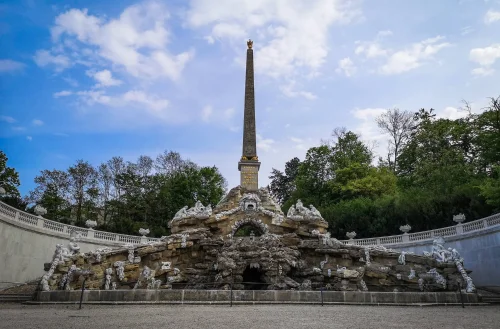
The Obelisk Fountain combines architectural ambition with symbolism. The towering obelisk, decorated with hieroglyph-like inscriptions, was intended to showcase imperial power and the dynasty’s connection to ancient civilizations.
FAQs about Schönbrunn Palace Gardens
Absolutely. Even if you are on a tight budget, it is arguably the highest-value free attraction in Vienna. The sheer scale of the Great Parterre and the view from the hill are world-class.
However, if you are a “completionist” who feels the need to see every single corner, be careful. Trying to do the Palace, the Zoo, and every paid garden in one day is exhausting. Focus on the main free axis and the Roman Ruin for the best experience.
To fully enjoy the gardens, plan at least 2–3 hours. If you want to include the Palm House or climb to the Gloriette, allow half a day.
Spring and Summer (April to September) are the aesthetic peak. The flowers are intricate, everything is green, and the days are long.
But here is a pro tip: Autumn (October) is underrated. The tree-lined avenues turn a brilliant gold, which looks stunning against the yellow palace.
Winter Warning: If you visit between mid-November and March, manage your expectations. The famous marble statues are covered in wooden boxes to protect them from frost, and the fountains are drained and dry. It doesn’t look like the movie sets. In winter, focus on the Christmas Market in front of the palace instead.
Yes, the gates are open daily. However, the specific “paid” gardens like the Privy Garden or Orangery often close for the winter season. The park itself is always accessible, but remember that lighting gets tricky in winter since the sun sets early.
Yes, most areas of the gardens are accessible, with paved walkways and barrier-free routes. However, some uphill paths (like the one leading to the Gloriette) may be challenging without assistance.
Other things to do in Vienna
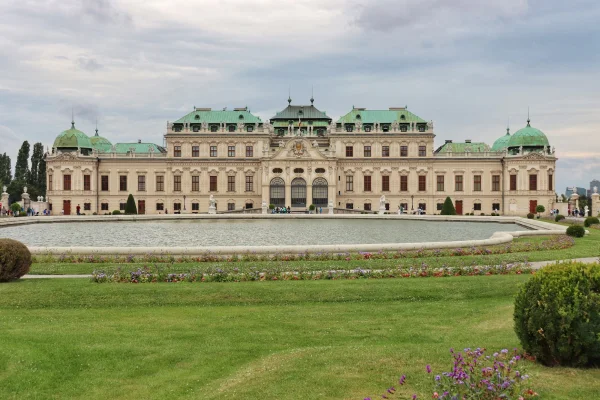
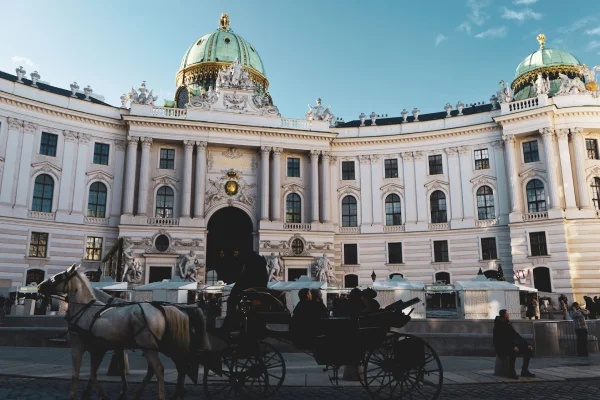
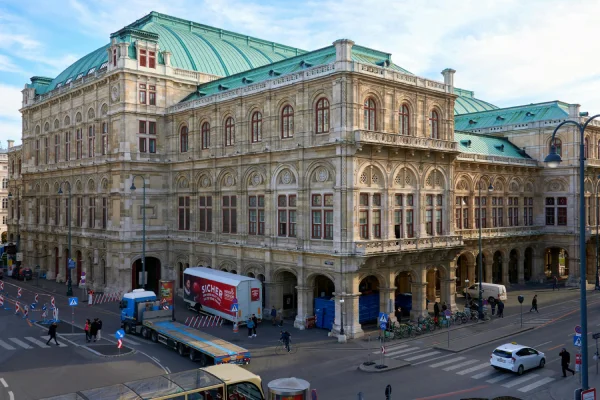
Vienna State Opera tickets >
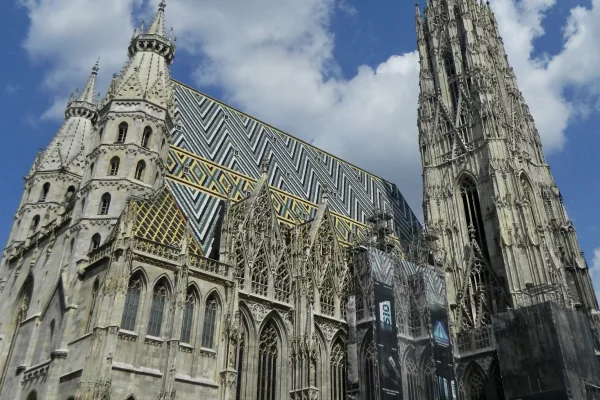
St Stephen’s Cathedral tickets >


